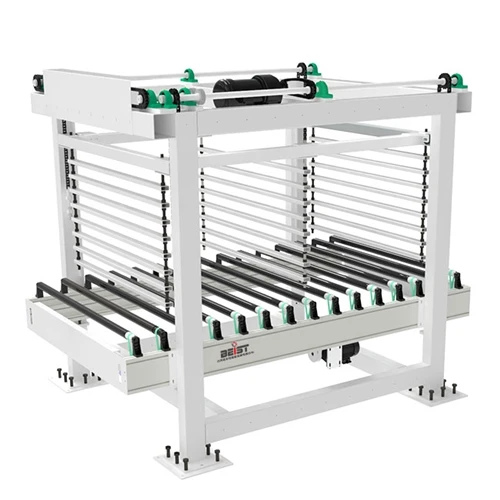
Installing a cross conveyor on a mobile platform can be a complex yet rewarding task. As a cross conveyor supplier, I've had the opportunity to work on numerous projects, and I'm excited to share my insights on this process. In this blog, I'll guide you through the steps of installing a cross conveyor on a mobile platform, from planning to the final checks.
Planning Phase
Before you start the installation, thorough planning is essential. This phase involves assessing the mobile platform, understanding the requirements of the cross conveyor, and ensuring that all necessary tools and materials are available.
Assessing the Mobile Platform
The first step is to evaluate the mobile platform where the cross conveyor will be installed. Consider the size, weight capacity, and structural integrity of the platform. The platform should be able to support the weight of the cross conveyor and any additional loads it will carry. Measure the available space on the platform to ensure that the cross conveyor will fit properly. Also, check for any obstacles or limitations that could affect the installation or operation of the conveyor.
Understanding Cross Conveyor Requirements
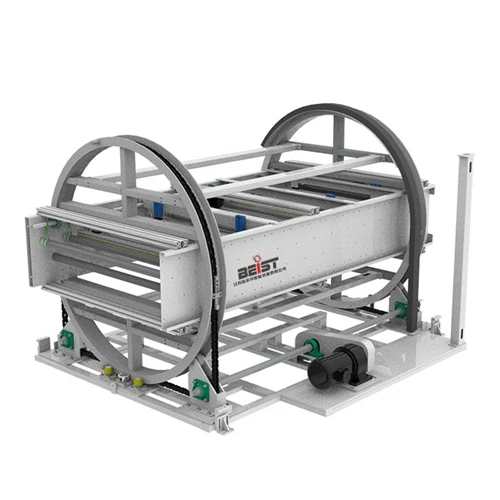
Next, familiarize yourself with the specific requirements of the cross conveyor. Different cross conveyors have different features and specifications. For example, some Cross Conveyor with Rotation Function may require additional power sources or control systems. Review the manufacturer's documentation to understand the electrical, mechanical, and operational requirements of the conveyor. This will help you plan the installation process more effectively.
Gathering Tools and Materials
Once you have a clear understanding of the platform and the conveyor requirements, gather all the necessary tools and materials. Common tools for cross conveyor installation include wrenches, screwdrivers, drills, and measuring tapes. You may also need additional materials such as mounting brackets, bolts, and electrical wiring. Make sure you have everything you need before you start the installation to avoid delays.
Installation Process
Preparing the Mobile Platform
Before installing the cross conveyor, prepare the mobile platform. Clean the surface where the conveyor will be mounted to ensure a secure and stable connection. If necessary, reinforce the platform to support the weight of the conveyor. Mark the mounting locations on the platform according to the conveyor's specifications. This will help you align the conveyor correctly during installation.
Mounting the Cross Conveyor
Carefully lift the cross conveyor onto the mobile platform and align it with the marked mounting locations. Use the appropriate mounting brackets and bolts to secure the conveyor to the platform. Make sure the conveyor is level and firmly attached to prevent any movement during operation. Tighten all the bolts to the recommended torque specifications to ensure a secure connection.
Connecting Electrical and Control Systems
If the cross conveyor requires electrical power or a control system, connect the wiring according to the manufacturer's instructions. This may involve connecting power cables, control panels, and sensors. Ensure that all connections are secure and properly insulated to prevent electrical hazards. Test the electrical system to make sure it is functioning correctly before proceeding with the rest of the installation.
Installing Additional Components
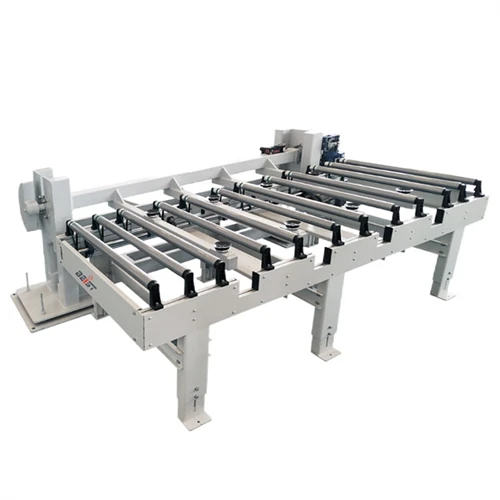
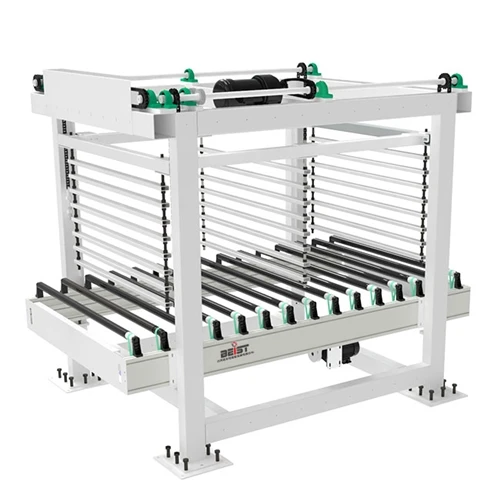
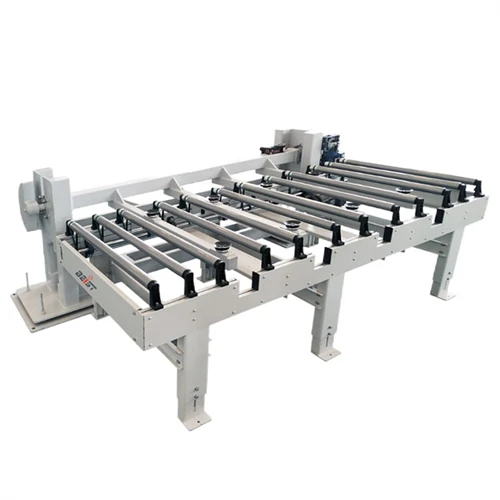
Depending on the type of cross conveyor, you may need to install additional components such as Powered Roller Conveyor-Centre or Fully Automatic Gantry Manipulator. Follow the manufacturer's instructions for installing these components. Make sure they are properly aligned and connected to the main conveyor system.
Testing and Adjustment
After the installation is complete, it's important to test the cross conveyor to ensure it is functioning properly. Start by conducting a visual inspection of the conveyor and all its components. Check for any loose connections, damaged parts, or signs of misalignment.
Initial Testing
Power on the conveyor and run it at a low speed to check for any abnormal noises or vibrations. Observe the movement of the conveyor belt or rollers to ensure they are running smoothly. Check the operation of any control systems or sensors to make sure they are working correctly.
Adjustment and Calibration
If you notice any issues during the initial testing, make the necessary adjustments and calibrations. This may involve adjusting the tension of the conveyor belt, aligning the rollers, or calibrating the sensors. Refer to the manufacturer's documentation for specific adjustment procedures.
Load Testing
Once the conveyor is running smoothly, conduct a load testing. Place a test load on the conveyor and observe its performance under the load. Make sure the conveyor can handle the specified load capacity without any issues. If necessary, make further adjustments to improve the performance of the conveyor.
Final Checks and Maintenance
Before putting the cross conveyor into full operation, perform a final set of checks to ensure everything is in order.
Safety Checks
Check all safety features of the cross conveyor, such as emergency stop buttons, safety guards, and warning signs. Make sure they are in place and functioning correctly. Provide proper training to the operators on how to use the conveyor safely.


Documentation
Keep a record of the installation process, including all the steps taken, any adjustments made, and the results of the testing. This documentation will be useful for future maintenance and troubleshooting.
Maintenance Plan
Develop a maintenance plan for the cross conveyor to ensure its long-term reliability. Regular maintenance tasks may include cleaning the conveyor, lubricating the moving parts, and inspecting the electrical and mechanical components. Follow the manufacturer's recommendations for maintenance intervals and procedures.
Conclusion
Installing a cross conveyor on a mobile platform requires careful planning, precise execution, and thorough testing. By following the steps outlined in this blog, you can ensure a successful installation and a reliable operation of the cross conveyor. If you have any questions or need further assistance with the installation process, feel free to contact us. We are a professional cross conveyor supplier, and we are committed to providing high-quality products and excellent customer service. Whether you are looking for a standard cross conveyor or a customized solution, we can meet your needs. Contact us today to discuss your requirements and start the procurement process.
References
- Manufacturer's documentation for the cross conveyor
- Industry standards and guidelines for conveyor installation and safety