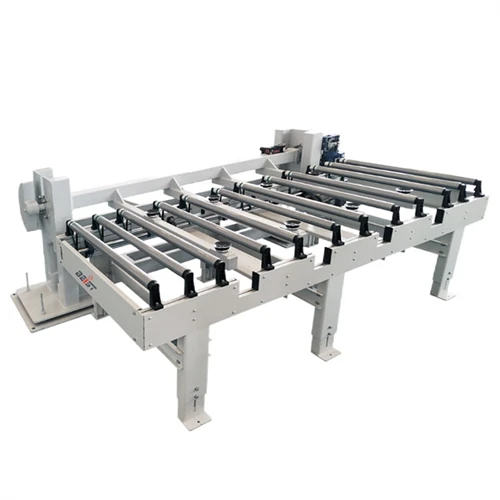
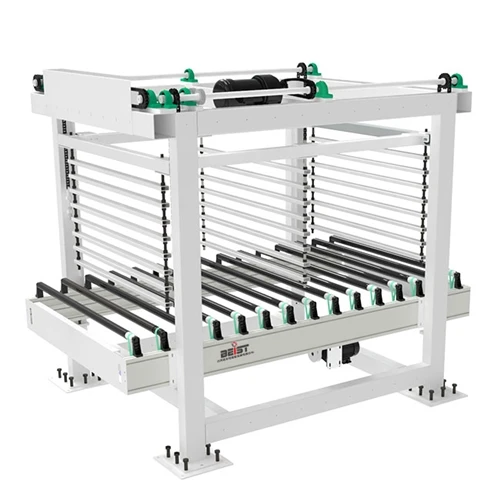
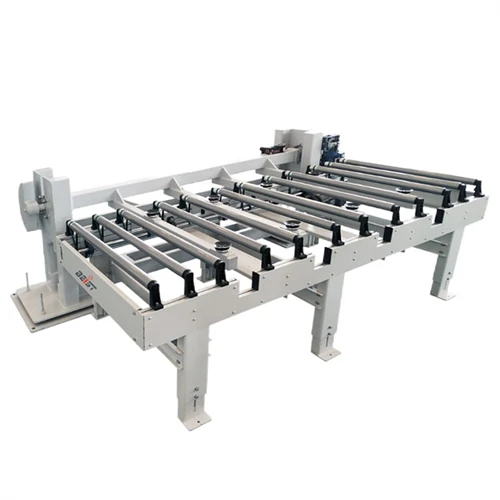
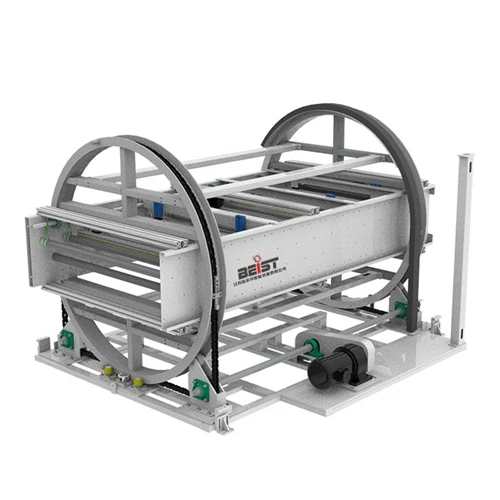
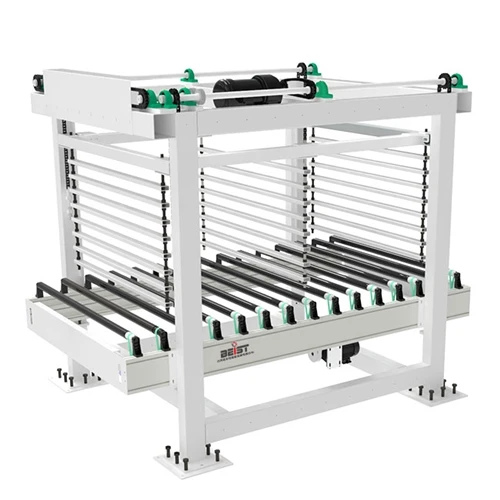
Ensuring the stability of an Air Flotation Table Conveyor during continuous operation is crucial for maintaining high - quality production processes. As a supplier of Air Flotation Table Conveyors, I have witnessed firsthand the impact that instability can have on productivity and product quality. In this blog, I will share some key strategies to guarantee the stable operation of these conveyors.
1. Proper Installation and Alignment
The first step in ensuring stability is the correct installation of the Air Flotation Table Conveyor. The installation site should be level, and the foundation should be strong enough to support the conveyor's weight and the load it will carry. Any unevenness in the installation surface can cause the conveyor to tilt, leading to instability during operation.


During the installation process, accurate alignment of the conveyor components is essential. All parts, including the flotation table, rollers (if any), and drive systems, should be aligned according to the manufacturer's specifications. Misalignment can result in increased friction, uneven wear, and ultimately, reduced stability. For example, if the drive chain is misaligned, it may cause the conveyor to move erratically or even stop working.
2. Quality Components and Maintenance
Using high - quality components is a fundamental factor in ensuring stability. Inferior parts are more likely to fail and cause disruptions in the conveyor's operation. At our company, we source only the best materials and components for our Air Flotation Table Conveyors. This includes high - precision air bearings, durable motors, and reliable drive belts.
Regular maintenance is also vital. A well - maintained conveyor is less likely to experience breakdowns. Maintenance tasks should include cleaning the air flotation system to prevent clogging, checking and tightening all bolts and connections, and lubricating moving parts. For instance, the air filters in the flotation system need to be replaced regularly to ensure a consistent air supply, which is essential for the stable floating of the conveyed materials.
3. Load Management
Understanding and managing the load on the Air Flotation Table Conveyor is crucial for stability. Overloading the conveyor can cause excessive stress on the components, leading to premature wear and tear and instability. It is important to determine the maximum load capacity of the conveyor based on its design and specifications and not to exceed this limit.
In addition to the overall load, the distribution of the load on the conveyor surface also matters. Unevenly distributed loads can cause the conveyor to become unbalanced. For example, if all the heavy items are placed on one side of the conveyor, it may cause the conveyor to tilt, affecting its stability. We recommend evenly distributing the load across the entire width of the flotation table.
4. Environmental Considerations
The operating environment can significantly affect the stability of an Air Flotation Table Conveyor. Dust, moisture, and extreme temperatures can all have a negative impact on the conveyor's components. In dusty environments, dust can accumulate on the air bearings and other moving parts, increasing friction and reducing the efficiency of the conveyor. Moisture can cause corrosion of metal components, weakening the structure of the conveyor.
To mitigate these environmental effects, appropriate protective measures should be taken. For example, in a dusty environment, dust covers can be installed to protect the conveyor. In areas with high humidity, dehumidifiers can be used to control the moisture level. Temperature - controlled environments can also be created for conveyors operating in extreme heat or cold conditions.
5. Monitoring and Control Systems
Implementing monitoring and control systems is an effective way to ensure the stability of the Air Flotation Table Conveyor during continuous operation. These systems can monitor various parameters such as speed, temperature, vibration, and air pressure. By continuously monitoring these parameters, any potential issues can be detected early, allowing for timely maintenance and adjustments.
For example, if the vibration level of the conveyor exceeds a certain threshold, it may indicate a problem with the alignment or a loose component. The monitoring system can send an alert to the maintenance team, enabling them to take corrective actions before the problem escalates. Temperature sensors can also be used to monitor the temperature of the motor and other critical components. If the temperature is too high, it may indicate overloading or a malfunction, and the conveyor can be shut down or adjusted accordingly.
Related Conveyor Products
In addition to Air Flotation Table Conveyors, we also offer a range of other high - quality conveyor products, such as Transfer Cart with Turntable, Conveyor Platform for Cold Press, and Curved Roller Conveyor. These products are designed to meet diverse industrial needs and can be integrated with our Air Flotation Table Conveyors to create a more efficient and comprehensive material handling system.
Conclusion
In conclusion, ensuring the stability of an Air Flotation Table Conveyor during continuous operation requires a combination of proper installation, using high - quality components, effective load management, considering environmental factors, and implementing monitoring and control systems. By following these strategies, manufacturers can improve the reliability and efficiency of their production lines, reduce downtime, and enhance product quality.
If you are interested in purchasing an Air Flotation Table Conveyor or any of our other conveyor products, we welcome you to contact us for more information and to discuss your specific requirements. With our expertise and high - quality products, we are confident that we can provide you with the best solutions for your material handling needs.
References
- "Conveyor Systems Handbook" by John T. Hancock, which provides comprehensive information on the design, operation, and maintenance of conveyor systems.
- Industry research reports on the latest developments and best practices in air flotation conveyor technology.