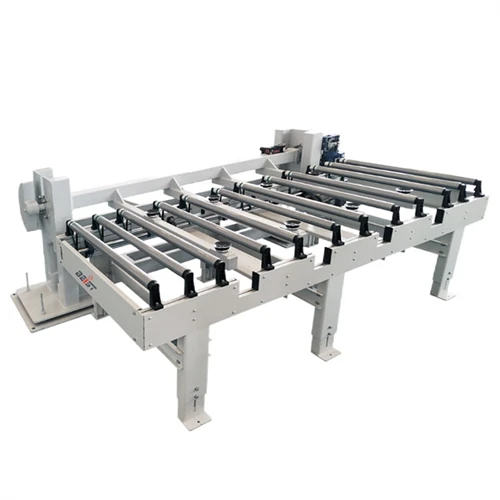
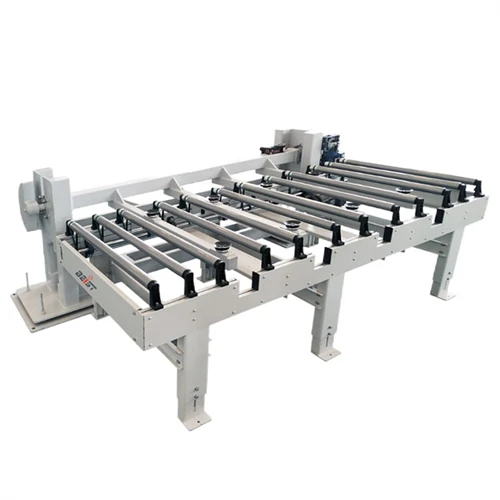
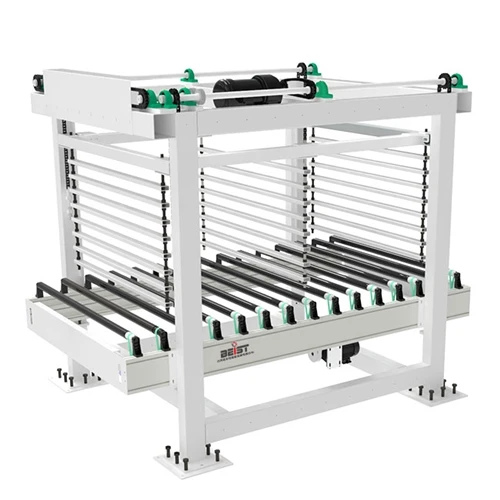
Selecting the right powered roller conveyor - lean for your business is a crucial decision that can significantly impact your operational efficiency, productivity, and overall profitability. As a supplier of powered roller conveyors - lean, I understand the complexities involved in this process and am here to guide you through the key considerations to ensure you make an informed choice.


Understanding Your Business Needs
Before diving into the selection process, it's essential to have a clear understanding of your business requirements. Consider the following factors:
- Material Handling Requirements: Determine the type, size, weight, and shape of the products you need to convey. Different powered roller conveyors are designed to handle various materials, from small, lightweight packages to large, heavy items. For instance, if you're dealing with irregularly shaped objects, you might need a conveyor with adjustable rollers or a specialized design to ensure smooth transportation.
- Production Volume: Assess your production volume and throughput requirements. This will help you determine the speed and capacity of the conveyor system you need. A high - volume production environment will require a conveyor that can handle a large number of items per hour without compromising on efficiency.
- Space Constraints: Evaluate the available space in your facility. Measure the length, width, and height of the area where the conveyor will be installed. This will help you choose a conveyor that fits your space requirements and can be integrated seamlessly into your existing workflow. Some conveyors can be customized to fit tight spaces or complex layouts.
Types of Powered Roller Conveyors - Lean
There are several types of powered roller conveyors - lean available in the market, each with its own unique features and benefits. Here are some common types:
- Belt - Driven Roller Conveyors: These conveyors use a belt to drive the rollers, providing smooth and quiet operation. They are suitable for a wide range of applications, including handling small to medium - sized packages. Belt - driven roller conveyors are known for their energy efficiency and low maintenance requirements.
- Chain - Driven Roller Conveyors: Chain - driven roller conveyors use a chain to drive the rollers, offering high - load capacity and durability. They are ideal for handling heavy or large items, such as pallets and crates. Chain - driven roller conveyors are commonly used in industrial settings where strength and reliability are crucial.
- Line - Shaft Driven Roller Conveyors: In line - shaft driven roller conveyors, a shaft runs the length of the conveyor, driving the rollers through a series of gears or sprockets. These conveyors are suitable for applications where precise control of the roller speed is required. They are often used in assembly lines and sorting systems.
Key Features to Consider
When choosing a powered roller conveyor - lean, pay attention to the following key features:
- Roller Size and Spacing: The size and spacing of the rollers can affect the conveyor's performance. Larger rollers are generally better for handling heavy or large items, while smaller rollers are suitable for lighter loads. The spacing between the rollers should be appropriate for the size of the products you're conveying to ensure stable transportation.
- Drive System: The drive system is the heart of the conveyor. Choose a drive system that is reliable, energy - efficient, and easy to maintain. Consider factors such as the motor power, speed control, and braking system. Some conveyors offer variable speed drives, which allow you to adjust the conveyor speed according to your production needs.
- Frame Construction: The frame of the conveyor should be strong and durable to withstand the weight of the products and the rigors of daily operation. Look for conveyors with a robust frame construction, such as steel or aluminum. The frame should also be designed to resist corrosion and damage.
- Safety Features: Safety is paramount in any industrial setting. Ensure that the conveyor you choose is equipped with essential safety features, such as emergency stop buttons, safety guards, and overload protection. These features can help prevent accidents and protect your employees.
Complementary Equipment
In addition to the powered roller conveyor - lean, you may also need to consider complementary equipment to enhance your material handling system. Some useful complementary equipment includes:
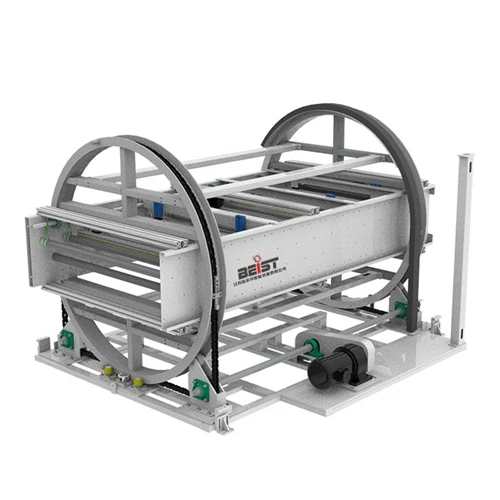
- Automatic Flip Machine: An automatic flip machine can be used to turn products over during the conveying process. This is useful for applications such as labeling, inspection, or assembly.
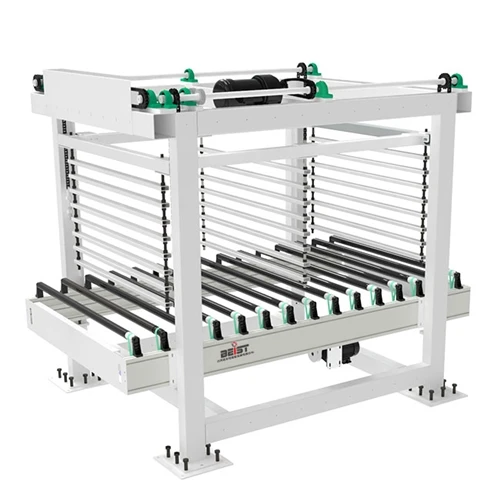
- RGV Single Row Power Tour Car: An RGV single row power tour car can be used for transporting products between different workstations or areas of your facility. It offers flexibility and can be programmed to follow a specific path.
Customization Options
Every business has unique requirements, and a one - size - fits - all approach may not be suitable. Look for a supplier that offers customization options for their powered roller conveyors - lean. Customization can include features such as conveyor length, width, height, roller size, and drive system. A customized conveyor can be tailored to your specific needs, ensuring optimal performance and efficiency.
Supplier Considerations
Choosing the right supplier is as important as choosing the right conveyor. When selecting a supplier, consider the following:
- Experience and Reputation: Look for a supplier with extensive experience in the industry and a good reputation for quality and reliability. Check customer reviews and testimonials to get an idea of the supplier's track record.
- Technical Support: Ensure that the supplier offers comprehensive technical support. This includes installation, maintenance, and repair services. A reliable supplier should be able to provide prompt assistance in case of any issues with your conveyor.
- Product Warranty: A product warranty is a sign of the supplier's confidence in their product. Look for a supplier that offers a reasonable warranty period for their powered roller conveyors - lean. This will give you peace of mind knowing that you're protected against any manufacturing defects.
Cost - Benefit Analysis
Finally, conduct a cost - benefit analysis to determine the overall value of the powered roller conveyor - lean. Consider not only the initial purchase price but also the long - term operating costs, such as energy consumption, maintenance, and repair. A more expensive conveyor may offer better performance, reliability, and energy efficiency, resulting in lower long - term costs.
In conclusion, choosing the right powered roller conveyor - lean for your business requires careful consideration of your business needs, the type of conveyor, key features, complementary equipment, customization options, supplier reputation, and cost - benefit analysis. By taking the time to evaluate these factors, you can select a conveyor that will meet your requirements and help you improve your operational efficiency.
If you're interested in learning more about our Powered Roller Conveyor - lean solutions or would like to discuss your specific needs, please don't hesitate to contact us. Our team of experts is ready to assist you in finding the perfect conveyor for your business.
References
- Material Handling Industry of America (MHIA). (2023). Conveyor Systems Handbook.
- Groover, M. P. (2015). Automation, Production Systems, and Computer - Integrated Manufacturing. Pearson.
- ASME B20.1 - 2015, Safety Standard for Conveyors and Related Equipment.