Aligning a powered conveyor is crucial for its efficient and safe operation. As a powered conveyor supplier, I've seen firsthand how proper alignment can make a huge difference in the performance and longevity of these systems. In this blog post, I'll share some tips and tricks on how to align a powered conveyor like a pro.
Why Alignment Matters
Before we dive into the alignment process, let's talk about why alignment is so important. A misaligned conveyor can lead to a variety of problems, including:
- Uneven wear: When the conveyor is misaligned, the belts or rollers may wear unevenly, which can shorten their lifespan and increase maintenance costs.
- Product damage: Misalignment can cause products to shift or fall off the conveyor, leading to product damage and potential safety hazards.
- Reduced efficiency: A misaligned conveyor may not run as smoothly as it should, which can slow down the production process and reduce overall efficiency.
- Increased energy consumption: When the conveyor is misaligned, it may require more energy to operate, which can increase your energy costs.
By ensuring that your powered conveyor is properly aligned, you can avoid these problems and keep your production line running smoothly.
Tools You'll Need
Before you start aligning your conveyor, you'll need to gather a few tools. Here's what you'll need:
- Straightedge: A straightedge is used to check the alignment of the conveyor frame and rollers.
- Level: A level is used to ensure that the conveyor is level from side to side and front to back.
- Tape measure: A tape measure is used to measure the distance between the conveyor frame and the rollers.
- Wrenches and screwdrivers: You'll need wrenches and screwdrivers to adjust the conveyor frame and rollers.
Step-by-Step Alignment Process
Now that you have the tools you need, it's time to start aligning your conveyor. Here's a step-by-step guide to help you get started:
Step 1: Check the Conveyor Frame
The first step in aligning your conveyor is to check the conveyor frame. Use a straightedge to check the alignment of the frame from side to side and front to back. If the frame is not straight, you'll need to adjust it using wrenches and screwdrivers.
Step 2: Check the Rollers
Once you've checked the conveyor frame, it's time to check the rollers. Use a straightedge to check the alignment of the rollers from side to side and front to back. If the rollers are not straight, you'll need to adjust them using wrenches and screwdrivers.
Step 3: Check the Belt Tension
The next step in aligning your conveyor is to check the belt tension. Use a tape measure to measure the distance between the belt and the rollers at several points along the conveyor. If the belt tension is not even, you'll need to adjust it using the tensioning device on the conveyor.

Step 4: Check the Belt Tracking
After you've checked the belt tension, it's time to check the belt tracking. Run the conveyor for a few minutes and observe the belt as it moves. If the belt is not tracking straight, you'll need to adjust the tracking device on the conveyor.
Step 5: Check the Conveyor Speed
The final step in aligning your conveyor is to check the conveyor speed. Use a speedometer to measure the speed of the conveyor at several points along the conveyor. If the conveyor speed is not consistent, you'll need to adjust the speed control device on the conveyor.
Additional Tips and Tricks
Here are some additional tips and tricks to help you align your powered conveyor:
- Use a laser alignment tool: A laser alignment tool can make the alignment process much easier and more accurate.
- Check the alignment regularly: It's a good idea to check the alignment of your conveyor regularly to ensure that it stays in alignment.
- Train your employees: Make sure your employees are trained on how to align the conveyor properly. This will help prevent misalignment and ensure that the conveyor runs smoothly.
Related Products
As a powered conveyor supplier, we offer a wide range of products to meet your needs. Here are some of our most popular products:
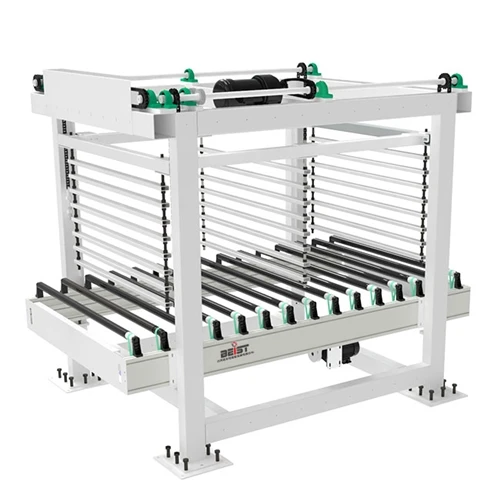
- Panel Storage Machine: Our panel storage machine is designed to store and retrieve panels quickly and efficiently.
- Intelligent Storage Bin: Our intelligent storage bin is designed to store and retrieve small parts quickly and efficiently.
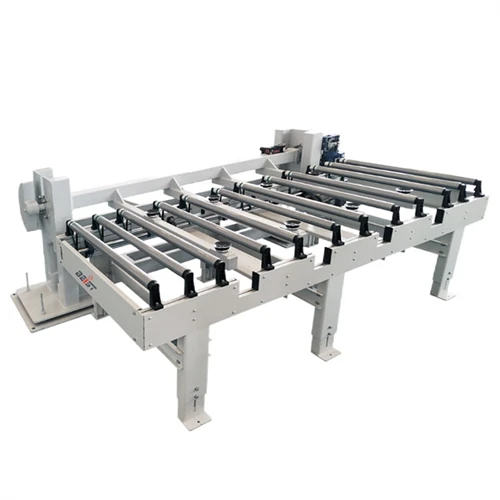
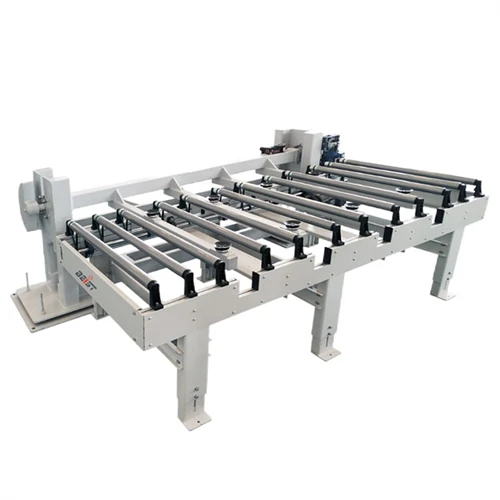
- Chain Driven Live Roller Conveyor: Our chain driven live roller conveyor is designed to transport heavy loads quickly and efficiently.
Contact Us for Purchase
If you're interested in purchasing a powered conveyor or any of our other products, please contact us for a quote. Our team of experts will be happy to help you find the right solution for your needs.
References
- Conveyor Equipment Manufacturers Association (CEMA). Conveyor Handbook.
- Material Handling Industry of America (MHIA). Material Handling Handbook.