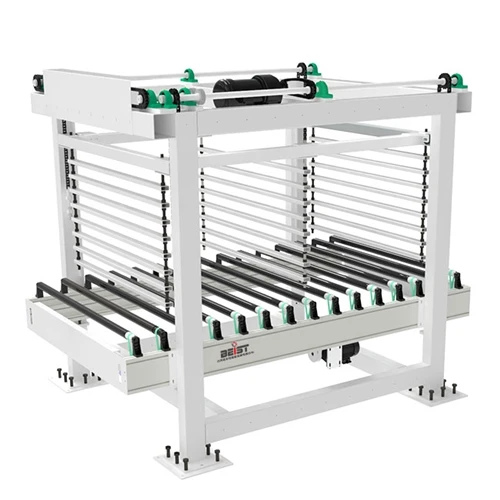
How to Adjust the Speed of a Pneumatic Roller Conveyor
As a supplier of pneumatic roller conveyors, I understand the importance of being able to adjust the speed of these conveyors to meet the diverse needs of different industries and applications. In this blog post, I will share some practical methods and considerations for adjusting the speed of a pneumatic roller conveyor.
Understanding the Basics of Pneumatic Roller Conveyors
Before delving into the speed adjustment methods, it's essential to have a basic understanding of how pneumatic roller conveyors work. A pneumatic roller conveyor uses compressed air to power the movement of rollers. The compressed air is typically supplied through a system of valves and hoses, which control the flow of air to the rollers. When the air is directed to the rollers, it causes them to rotate, thereby moving the conveyed materials along the conveyor.
The speed of a pneumatic roller conveyor is determined by several factors, including the air pressure, the size and type of rollers, the load on the conveyor, and the design of the conveyor system. By adjusting these factors, you can effectively control the speed of the conveyor.
Methods for Adjusting the Speed of a Pneumatic Roller Conveyor
1. Adjusting the Air Pressure
One of the most straightforward ways to adjust the speed of a pneumatic roller conveyor is by changing the air pressure. The air pressure directly affects the rotational speed of the rollers. Increasing the air pressure will generally result in a higher roller speed, while decreasing the air pressure will slow down the rollers.
To adjust the air pressure, you can use a pressure regulator installed in the compressed air supply line. The pressure regulator allows you to set and maintain a specific air pressure within the conveyor system. When adjusting the air pressure, it's important to make small incremental changes and monitor the conveyor speed carefully. Sudden or large changes in air pressure can cause instability or damage to the conveyor components.
2. Changing the Roller Size and Type
The size and type of rollers used in a pneumatic roller conveyor can also have a significant impact on its speed. Larger rollers tend to rotate more slowly than smaller rollers for the same amount of air pressure. Additionally, different types of rollers, such as smooth rollers or grooved rollers, may have different frictional characteristics, which can affect the speed at which the materials are conveyed.
If you need to increase the conveyor speed, you can consider using smaller rollers or rollers with a lower frictional coefficient. Conversely, if you need to slow down the conveyor, larger rollers or rollers with a higher frictional coefficient may be more suitable. However, when changing the roller size and type, you also need to consider the compatibility with the existing conveyor system and the requirements of the conveyed materials.
3. Modifying the Load on the Conveyor
The load on the conveyor can affect its speed. A heavier load will generally require more power to move, which may result in a slower conveyor speed. If you find that the conveyor is running too slowly under a heavy load, you can try reducing the load or distributing it more evenly along the conveyor.
On the other hand, if the conveyor is running too fast for the conveyed materials, you can increase the load slightly to slow it down. However, be careful not to overload the conveyor, as this can cause damage to the rollers, bearings, and other components.
4. Optimizing the Conveyor Design
The design of the pneumatic roller conveyor itself can also influence its speed. For example, the spacing between the rollers, the angle of the conveyor, and the presence of any guides or chutes can all affect the flow of materials and the overall conveyor speed.
You can optimize the conveyor design by adjusting the roller spacing to ensure smooth and efficient material flow. Additionally, ensuring that the conveyor is properly aligned and leveled can help reduce friction and improve the conveyor speed. If necessary, you can also install additional guides or chutes to direct the materials and prevent them from getting stuck or moving too quickly.
Considerations When Adjusting the Speed of a Pneumatic Roller Conveyor
1. Safety First
When adjusting the speed of a pneumatic roller conveyor, safety should always be the top priority. Make sure that all safety guards and devices are in place and functioning properly before making any adjustments. Additionally, ensure that all personnel working around the conveyor are aware of the speed adjustment process and follow the necessary safety procedures.
2. Compatibility with the Conveyed Materials
The speed of the conveyor should be compatible with the characteristics of the conveyed materials. For example, fragile or delicate materials may require a slower conveyor speed to prevent damage, while more robust materials can tolerate higher speeds. It's important to consider the material properties, such as size, shape, weight, and fragility, when adjusting the conveyor speed.
3. System Stability
Any changes made to the conveyor speed should be carefully evaluated to ensure the stability of the entire conveyor system. Sudden or excessive speed changes can cause vibrations, misalignment, or other issues that may affect the performance and longevity of the conveyor. It's recommended to make small adjustments and test the conveyor thoroughly after each change to ensure its stability.


Related Conveyor Products
In addition to pneumatic roller conveyors, we also offer a range of other conveyor products that may be suitable for your specific needs. For example, our Air Flotation Table Conveyor provides a gentle and efficient way to convey lightweight and delicate materials. The Ball Transfer Table Conveyor is ideal for applications that require easy and flexible material transfer in multiple directions. And our Roller Transfer Cart On Rail offers a reliable solution for transporting heavy loads over a fixed path.
Conclusion
Adjusting the speed of a pneumatic roller conveyor is a crucial aspect of optimizing its performance and meeting the specific requirements of different applications. By understanding the basic principles of pneumatic roller conveyors and using the appropriate adjustment methods, you can effectively control the conveyor speed while ensuring safety and system stability.
If you have any questions or need further assistance with adjusting the speed of your pneumatic roller conveyor or are interested in our other conveyor products, please feel free to contact us for a detailed discussion and procurement negotiation. We are committed to providing high - quality conveyor solutions tailored to your needs.
References
- Pneumatic Conveyor Systems Handbook, Industrial Press Inc.
- Conveyor Design and Application Guide, Material Handling Industry of America