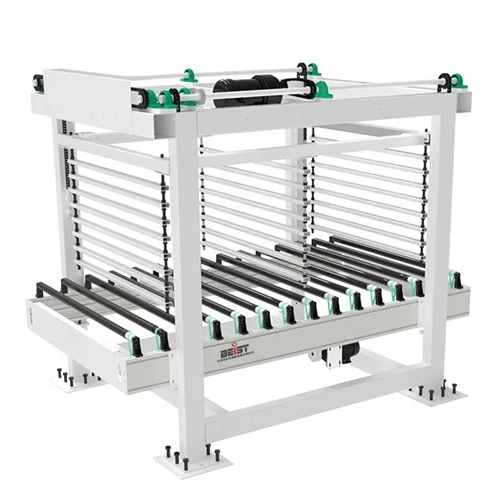
Adjusting the lifting speed of a lifting table with a forklift is a crucial aspect of ensuring efficient and safe operations in various industrial settings. As a supplier of Lifting Tables with Forklift, I understand the importance of providing comprehensive guidance on this topic. In this blog post, I will share some insights on how to adjust the lifting speed of a lifting table with a forklift, considering different factors and methods.

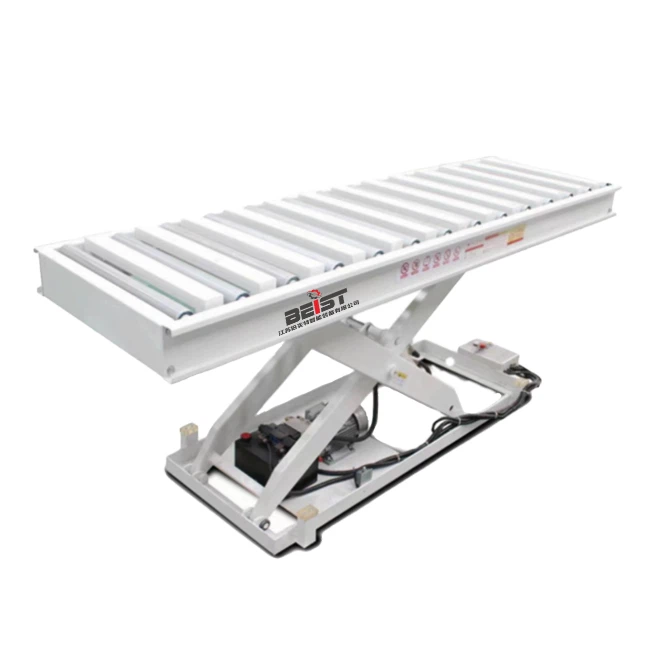
Understanding the Basics of Lifting Table with Forklift
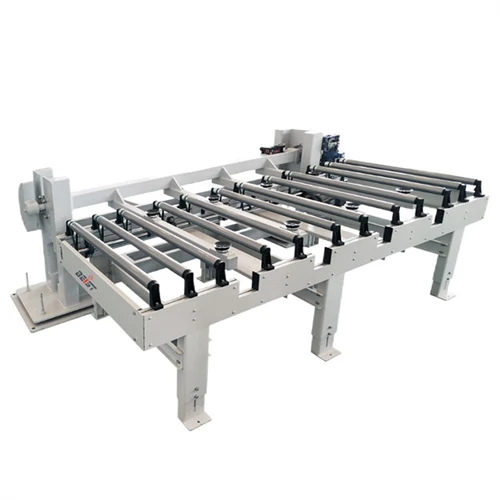
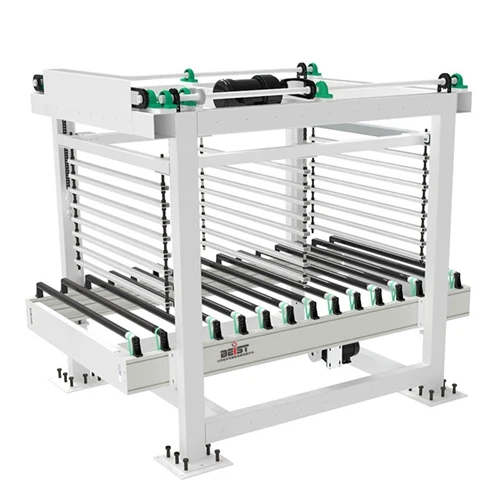
Before delving into the adjustment of the lifting speed, it's essential to have a basic understanding of the Lifting Table with Forklift. This equipment combines the functionality of a lifting table and a forklift, allowing for the efficient movement and elevation of heavy loads. It is commonly used in warehouses, manufacturing plants, and logistics centers to handle materials of different sizes and weights.
The lifting speed of a lifting table with a forklift is determined by several factors, including the hydraulic system, the load capacity, and the design of the equipment. The hydraulic system plays a crucial role in controlling the lifting speed, as it provides the power needed to raise and lower the table. The load capacity also affects the lifting speed, as heavier loads require more power to lift and may result in slower speeds.
Factors Affecting the Lifting Speed
Hydraulic System
The hydraulic system is the heart of the lifting table with a forklift. It consists of a hydraulic pump, cylinders, valves, and hoses, which work together to generate and control the hydraulic pressure. The size and capacity of the hydraulic pump, as well as the diameter of the cylinders, can significantly impact the lifting speed. A larger pump and cylinders can provide more power, resulting in faster lifting speeds.
Load Capacity
The load capacity of the lifting table with a forklift is another important factor that affects the lifting speed. As mentioned earlier, heavier loads require more power to lift, which can slow down the lifting process. It's important to ensure that the load does not exceed the rated capacity of the equipment to avoid overloading and potential damage.
Design and Construction
The design and construction of the lifting table with a forklift can also influence the lifting speed. Factors such as the type of frame, the quality of the materials, and the overall stability of the equipment can affect how quickly the table can be raised and lowered. A well-designed and sturdy lifting table with a forklift will generally have a faster lifting speed.
Methods for Adjusting the Lifting Speed
Hydraulic Flow Control Valves
One of the most common methods for adjusting the lifting speed of a lifting table with a forklift is by using hydraulic flow control valves. These valves are installed in the hydraulic system and allow for the regulation of the flow of hydraulic fluid. By adjusting the valve, you can increase or decrease the flow of fluid, which in turn affects the lifting speed.
To adjust the lifting speed using a hydraulic flow control valve, follow these steps:
- Locate the hydraulic flow control valve on the lifting table with a forklift. It is usually located near the hydraulic pump or on the control panel.
- Use a wrench or a screwdriver to turn the valve. Turning the valve clockwise will decrease the flow of fluid and slow down the lifting speed, while turning it counterclockwise will increase the flow of fluid and speed up the lifting speed.
- Make small adjustments and test the lifting speed after each adjustment. This will help you find the optimal speed for your specific application.
Variable Displacement Pumps
Another method for adjusting the lifting speed is by using variable displacement pumps. These pumps are designed to adjust the flow of hydraulic fluid based on the load and the required lifting speed. By changing the displacement of the pump, you can control the amount of fluid that is delivered to the cylinders, which in turn affects the lifting speed.
To adjust the lifting speed using a variable displacement pump, follow these steps:
- Locate the variable displacement pump on the lifting table with a forklift. It is usually located near the hydraulic reservoir.
- Use the control panel or the adjustment knob on the pump to change the displacement. Increasing the displacement will increase the flow of fluid and speed up the lifting speed, while decreasing the displacement will decrease the flow of fluid and slow down the lifting speed.
- Make small adjustments and test the lifting speed after each adjustment. This will help you find the optimal speed for your specific application.
Electronic Control Systems
Some modern lifting tables with forklifts are equipped with electronic control systems that allow for precise adjustment of the lifting speed. These systems use sensors and controllers to monitor the load and the lifting speed, and can automatically adjust the hydraulic system to maintain a consistent speed.
To adjust the lifting speed using an electronic control system, follow these steps:
- Locate the control panel on the lifting table with a forklift. It is usually located near the operator's station.
- Use the control panel to select the desired lifting speed. You can usually choose from a range of speeds, depending on the capabilities of the equipment.
- The electronic control system will automatically adjust the hydraulic system to maintain the selected speed. You can monitor the lifting speed on the control panel and make adjustments as needed.
Safety Considerations
When adjusting the lifting speed of a lifting table with a forklift, it's important to prioritize safety. Here are some safety considerations to keep in mind:
- Read the Manual: Before making any adjustments to the lifting speed, carefully read the operator's manual for the lifting table with a forklift. The manual will provide specific instructions and guidelines for adjusting the speed and ensuring safe operation.
- Inspect the Equipment: Regularly inspect the lifting table with a forklift for any signs of damage or wear. Check the hydraulic system, the cylinders, the valves, and the hoses for leaks or other issues. If you notice any problems, do not attempt to adjust the lifting speed until the equipment has been repaired.
- Use Proper Personal Protective Equipment (PPE): When operating the lifting table with a forklift, always wear the appropriate PPE, such as safety glasses, gloves, and a hard hat. This will help protect you from potential hazards.
- Follow the Load Capacity Guidelines: Do not exceed the rated load capacity of the lifting table with a forklift. Overloading the equipment can cause it to malfunction or fail, which can result in serious injury or damage.
- Train the Operators: Ensure that all operators are properly trained on how to operate the lifting table with a forklift and how to adjust the lifting speed. Provide them with the necessary training and resources to ensure safe and efficient operation.
Conclusion
Adjusting the lifting speed of a lifting table with a forklift is an important aspect of ensuring efficient and safe operations in various industrial settings. By understanding the factors that affect the lifting speed and using the appropriate methods for adjustment, you can optimize the performance of the equipment and improve productivity.
As a supplier of Lifting Tables with Forklift, we offer a wide range of products to meet the diverse needs of our customers. Our Lifting Table with Forklift is designed to provide reliable and efficient lifting solutions for various applications. We also offer E Shape Lift Table and Lift Table with Conveyor Top for more specialized needs.
If you are interested in learning more about our products or have any questions about adjusting the lifting speed of a lifting table with a forklift, please contact us. Our team of experts will be happy to assist you and provide you with the information you need to make an informed decision.