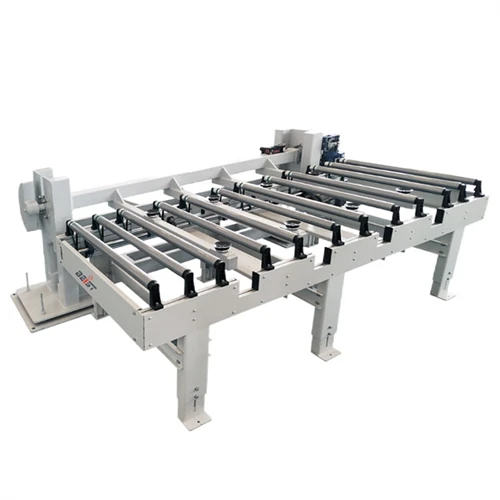
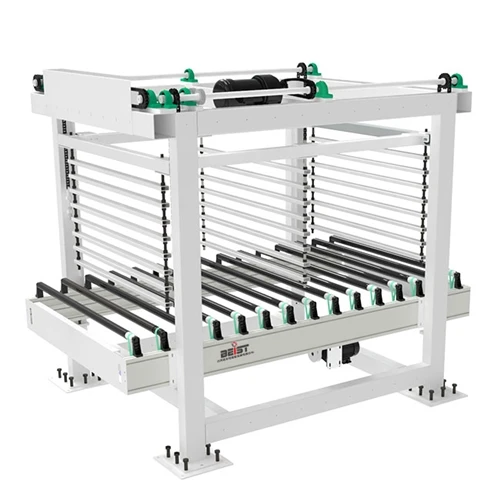
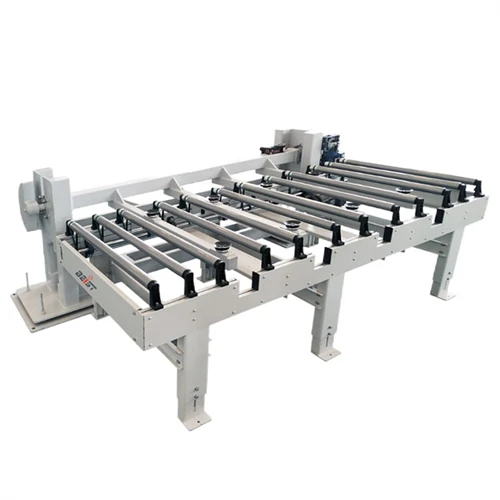
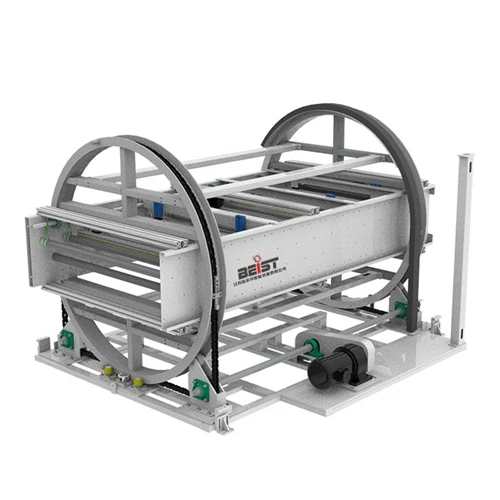
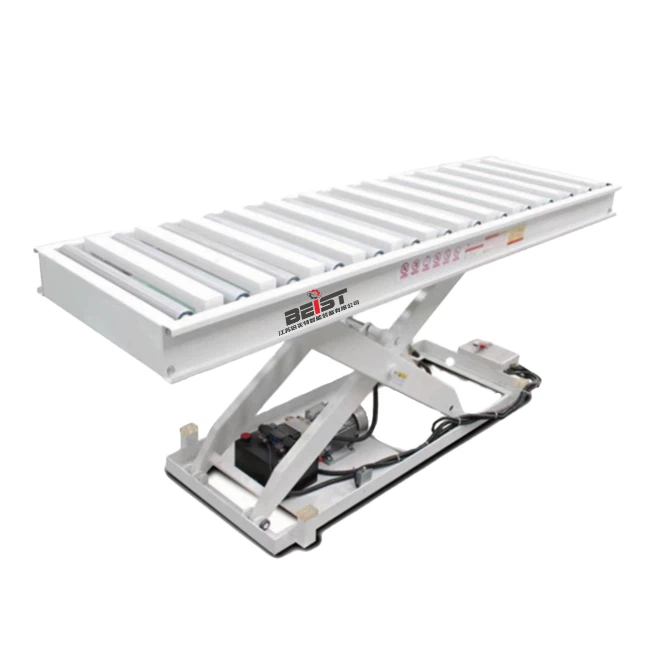
Hey there! As a supplier of Lift Table with Conveyor Top, I've had my fair share of customers asking about how to adjust the lift speed of these nifty devices. So, I thought I'd put together this blog to share some tips and insights on the topic.
Understanding the Basics
First off, let's talk about what affects the lift speed of a lift table with a conveyor top. There are a few key factors at play here. One of the main ones is the hydraulic system. Most lift tables use hydraulics to raise and lower the platform, and the speed at which the hydraulic fluid flows determines how fast the table moves.
Another factor is the load on the table. The heavier the load, the slower the lift speed will be. This is because the hydraulic system has to work harder to move the extra weight. Additionally, the type of conveyor top you have can also impact the lift speed. Some conveyor tops are heavier or more complex than others, which can affect how quickly the table can be raised or lowered.
Adjusting the Hydraulic System
Now, let's get into the nitty-gritty of how to adjust the lift speed. The first step is to locate the hydraulic control valve. This is usually located near the base of the lift table and is responsible for regulating the flow of hydraulic fluid.
To increase the lift speed, you'll need to adjust the control valve to allow more fluid to flow through the system. This can usually be done by turning a screw or knob on the valve. However, it's important to make small adjustments at a time and test the lift speed after each adjustment. You don't want to overdo it and cause the table to move too quickly, which could be dangerous.
On the other hand, if you need to decrease the lift speed, you'll need to do the opposite and adjust the control valve to restrict the flow of fluid. Again, make small adjustments and test the speed to ensure it's at the desired level.
Considering the Load
As I mentioned earlier, the load on the table can have a big impact on the lift speed. If you're consistently lifting heavy loads, you may need to adjust the lift speed accordingly. One way to do this is to limit the weight you're putting on the table. If possible, try to distribute the load evenly across the platform to help the hydraulic system work more efficiently.
Another option is to upgrade the hydraulic system to one that can handle heavier loads. This may require some investment, but it can significantly improve the performance of your lift table. For example, our Electric Hydraulic Lift Table is designed to handle heavier loads and offers adjustable lift speeds for greater flexibility.
The Role of the Conveyor Top
The conveyor top on your lift table can also affect the lift speed. If you have a heavy or complex conveyor top, it may slow down the lift process. In this case, you may want to consider upgrading to a lighter or more streamlined conveyor top.
Our E Shape Lift Table is a great option for those looking for a more efficient conveyor top. It's designed to be lightweight and easy to operate, which can help improve the overall lift speed of the table.
Safety First
When adjusting the lift speed of your lift table, it's important to prioritize safety. Always follow the manufacturer's instructions and guidelines when making any adjustments to the hydraulic system. Make sure the table is properly secured and that there are no obstructions in the way before operating it.
Additionally, it's a good idea to have your lift table regularly inspected and maintained by a qualified professional. This can help ensure that the hydraulic system is in good working condition and that the lift speed is set at a safe and appropriate level.
Troubleshooting
If you're having trouble adjusting the lift speed or if you notice any issues with the performance of your lift table, don't panic. There are a few common problems that can cause these issues, and most of them can be easily resolved.

One common issue is a leak in the hydraulic system. If you notice any fluid leaking from the table, it's important to address the issue as soon as possible. A leak can cause the lift speed to slow down or even prevent the table from working altogether.
Another issue could be a blockage in the hydraulic lines. This can prevent the fluid from flowing properly and cause the lift speed to be inconsistent. If you suspect a blockage, you may need to have the lines flushed or replaced.
Conclusion
Adjusting the lift speed of a lift table with a conveyor top may seem like a daunting task, but with a little knowledge and some basic troubleshooting skills, it can be easily done. By understanding the factors that affect lift speed, making the necessary adjustments to the hydraulic system, considering the load and the conveyor top, and prioritizing safety, you can ensure that your lift table is operating at its best.
If you have any questions or if you're interested in learning more about our Lift Table with Conveyor Top products, please don't hesitate to reach out. We're here to help you find the right solution for your needs and to ensure that you're getting the most out of your lift table.
References
- Manufacturer's manuals for lift tables with conveyor tops
- Industry standards and guidelines for hydraulic lift systems