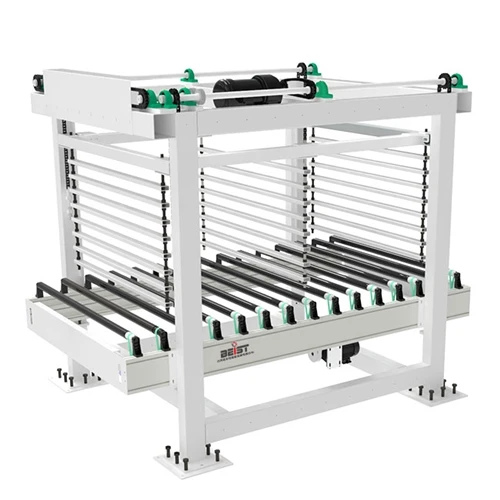
Hey there! As a supplier of Air Flotation Table Conveyors, I know how crucial it is to adjust these conveyors for different product sizes. In this blog, I'll share some tips and tricks on how to do just that.
First off, let's understand what an Air Flotation Table Conveyor is. It's a type of conveyor that uses a cushion of air to float products along the surface. This reduces friction and allows for smooth and gentle handling of various items. But when it comes to different product sizes, a one - size - fits - all approach won't work.
Understanding Your Products
Before you start adjusting the conveyor, you need to have a clear understanding of the products you'll be transporting. Measure the length, width, and height of the smallest and largest items. Also, take note of their weight. For example, if you're dealing with small, lightweight electronic components and large, heavy wooden crates, the adjustment requirements will be very different.
Adjusting the Air Pressure
One of the key factors in adjusting an Air Flotation Table Conveyor for different product sizes is the air pressure. For smaller and lighter products, you generally need less air pressure. Too much air pressure can cause the products to bounce around or even fly off the conveyor. On the other hand, larger and heavier products require more air pressure to create a sufficient air cushion for them to float smoothly.
To adjust the air pressure, locate the air pressure control valve on your conveyor. It's usually easy to find, often near the air intake. Start by setting the pressure low and gradually increase it while testing with your products. Observe how the products move on the conveyor. If they seem to be dragging or not floating properly, increase the pressure a bit more. If they're bouncing too much, reduce it.
Modifying the Conveyor Width
Another important adjustment is the width of the conveyor. If you're dealing with narrow products, you can reduce the conveyor width. This helps to keep the products centered and prevents them from veering off to the sides. Most Air Flotation Table Conveyors have adjustable side guides. Loosen the bolts on the side guides and move them closer together to narrow the conveyor width. Make sure to tighten the bolts securely once you've set the desired width.


Conversely, for wider products, you'll need to increase the conveyor width. Again, loosen the bolts on the side guides and move them further apart. It's important to ensure that the width is adjusted evenly on both sides to maintain a straight path for the products.
Speed Adjustment
The speed of the conveyor also needs to be adjusted according to the product size. Smaller products can often handle higher speeds without any issues. They're less likely to tip over or get damaged at faster speeds. However, larger products usually require a slower speed. This gives them more time to move smoothly along the conveyor and reduces the risk of collisions or toppling.
On most Air Flotation Table Conveyors, you can adjust the speed using a speed control panel. Start with a slow speed and gradually increase it while monitoring the movement of your products. You want to find the optimal speed where the products move efficiently without any problems.
Using Additional Accessories
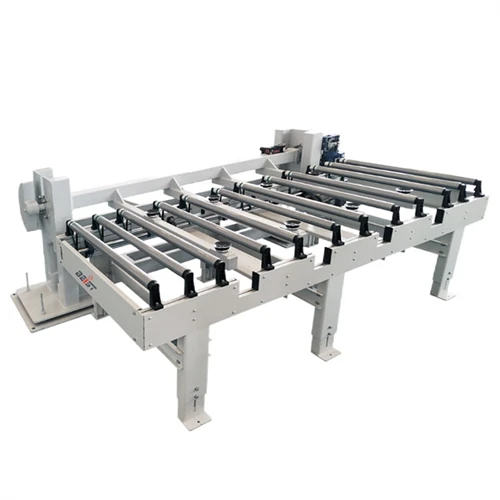
Sometimes, adjusting the basic settings of the conveyor isn't enough. That's where additional accessories come in handy. For example, if you're dealing with products of different shapes and sizes, you might want to consider using a Roller Conveyor Cart. It can help with loading and unloading products of various dimensions.
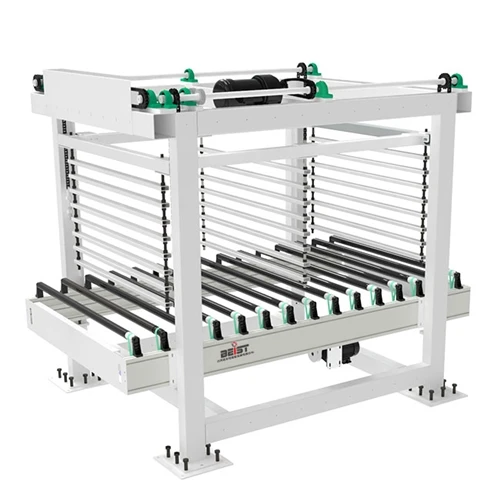
A Conveyor Crossover Bridge is also useful when you need to transfer products between different levels or sections of the conveyor system. It allows for seamless movement of products, regardless of their size.
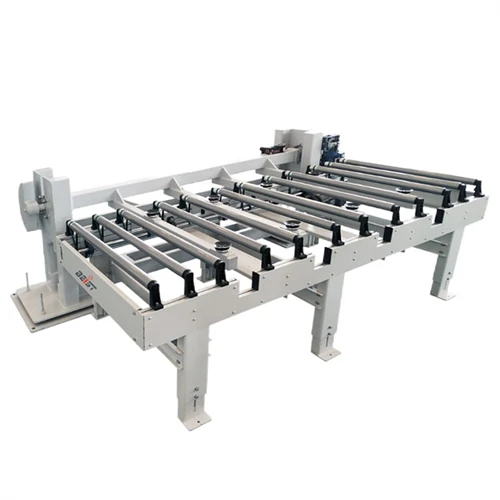
If you have a large variety of products that need to be sorted, a Sorting Roller Conveyor can be a great addition. It can sort products based on size, weight, or other criteria, making the whole process more efficient.
Regular Maintenance
Once you've adjusted the Air Flotation Table Conveyor for different product sizes, regular maintenance is essential. Check the air filters regularly to ensure that the air supply is clean and unobstructed. A dirty air filter can affect the air pressure and the performance of the conveyor.
Inspect the side guides and other moving parts for any signs of wear and tear. Tighten any loose bolts and lubricate the moving parts as needed. This will help to keep the conveyor in good working condition and ensure consistent performance for products of all sizes.
Testing and Fine - Tuning
After making all the adjustments, it's time to test the conveyor with a variety of products. Start with a small batch of different - sized items and observe how they move on the conveyor. Look for any issues such as jams, uneven movement, or products falling off.
Based on your observations, make any necessary fine - tuning adjustments. This might involve further adjusting the air pressure, conveyor width, or speed. Keep testing and fine - tuning until you achieve smooth and reliable operation for all your products.
Conclusion
Adjusting an Air Flotation Table Conveyor for different product sizes isn't always easy, but it's definitely doable. By understanding your products, making the right adjustments to air pressure, conveyor width, and speed, and using the right accessories, you can ensure that your conveyor works efficiently for products of all shapes and sizes.
If you're looking to purchase an Air Flotation Table Conveyor or need more advice on adjusting it for your specific products, don't hesitate to get in touch. We're here to help you make the most of your conveyor system.
References
- Conveyor Handbook: A Guide to Conveyor Systems and Their Applications
- Industrial Conveyor Technology: Principles and Practices