Yo, what's up everyone! I'm a supplier of Gravity Roller Conveyors, and today I wanna chat about how the slope of a gravity roller conveyor affects its performance.
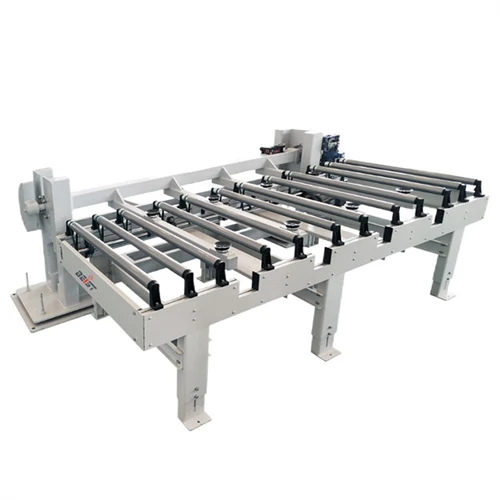
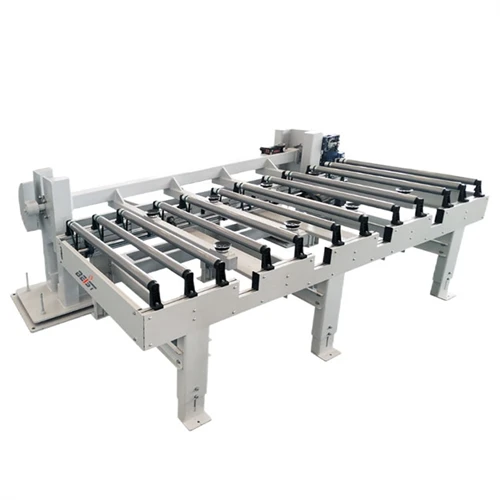
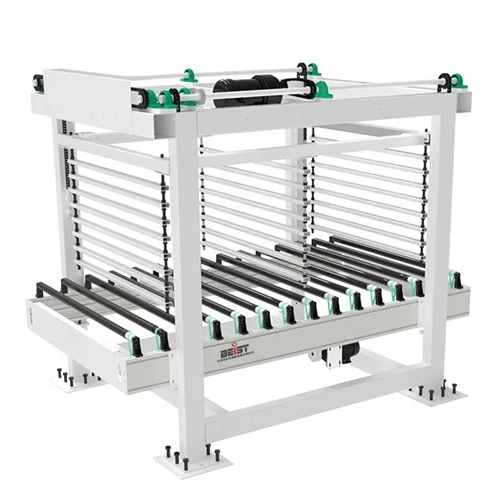
First off, let's get a basic understanding of what a gravity roller conveyor is. A Gravity Roller Conveyor is a type of unpowered conveyor that uses gravity to move items along. It consists of a series of rollers mounted on a frame, and the slope of the conveyor plays a crucial role in determining how well it works.


The Basics of Slope and Conveyor Performance
The slope of a gravity roller conveyor is essentially the angle at which it is inclined. This angle has a direct impact on the speed and efficiency of the conveyor. When the slope is steeper, the items on the conveyor will move faster because of the increased gravitational force pulling them down. On the other hand, a shallower slope will result in slower movement.
Let's talk about the advantages of a steeper slope. One of the biggest benefits is increased throughput. If you need to move a large number of items quickly, a steeper slope can help you achieve that. For example, in a busy warehouse where products are constantly being moved from one area to another, a steeper slope can ensure that the conveyor can handle the high volume of traffic.
However, there are also some drawbacks to a steeper slope. One major issue is control. When items move too fast on the conveyor, it can be difficult to stop them or redirect them as needed. This can lead to collisions between items, which can cause damage to the products and the conveyor itself. Additionally, a steeper slope can put more stress on the rollers and the frame of the conveyor, which can lead to increased wear and tear over time.
Now, let's look at the advantages of a shallower slope. One of the main benefits is better control. With a shallower slope, items move more slowly, which makes it easier to stop them, redirect them, or perform other operations on them. This is especially important in applications where precision is required, such as in a manufacturing process where parts need to be assembled or inspected.
Another advantage of a shallower slope is reduced wear and tear. Since the items are moving more slowly, there is less stress on the rollers and the frame of the conveyor. This can extend the lifespan of the conveyor and reduce maintenance costs.
Finding the Right Slope for Your Application
So, how do you determine the right slope for your gravity roller conveyor? Well, it really depends on your specific application. Here are some factors to consider:
1. Type of Items Being Moved
The type of items you are moving on the conveyor is one of the most important factors to consider. If you are moving lightweight items, such as small boxes or envelopes, a shallower slope may be sufficient. On the other hand, if you are moving heavy items, such as pallets or large containers, a steeper slope may be necessary to ensure that the items can move along the conveyor.
2. Throughput Requirements
As mentioned earlier, if you need to move a large number of items quickly, a steeper slope may be required. However, if you have a lower throughput requirement, a shallower slope may be more appropriate.
3. Space Constraints
The amount of space you have available for the conveyor can also affect the slope. If you have limited space, you may need to use a steeper slope to ensure that the items can move through the available area. However, if you have more space, you may be able to use a shallower slope.
4. Safety Considerations
Safety is always a top priority when it comes to conveyor systems. A steeper slope can increase the risk of accidents, such as items falling off the conveyor or collisions between items. Therefore, it is important to consider the safety implications of the slope when making your decision.
Specialized Conveyor Types and Slope
There are also some specialized types of gravity roller conveyors that have unique slope requirements. For example, a Conveyor Platform for Cold Press may require a specific slope to ensure that the items are properly positioned for the cold press operation. Similarly, a Curved Roller Conveyor may have different slope requirements depending on the radius of the curve.
In the case of a curved roller conveyor, the slope needs to be carefully adjusted to ensure that the items can smoothly navigate the curve. If the slope is too steep, the items may slide off the conveyor at the curve. If the slope is too shallow, the items may not have enough momentum to make it around the curve.
Real - World Examples
Let's take a look at some real - world examples to see how the slope of a gravity roller conveyor can impact performance.
In a food processing plant, they use gravity roller conveyors to move packages of food products. Since the food products are relatively lightweight and need to be handled gently to avoid damage, they use a shallower slope. This allows the workers to easily pick up the packages, inspect them, and place them in the appropriate containers. The slower movement also reduces the risk of the packages colliding with each other and getting damaged.
On the other hand, in a large distribution center, they handle a high volume of heavy pallets. To move these pallets quickly from the receiving area to the storage area, they use a steeper slope. This enables them to move a large number of pallets in a short period of time, increasing the overall efficiency of the distribution center.
Conclusion
In conclusion, the slope of a gravity roller conveyor has a significant impact on its performance. A steeper slope can increase throughput but may sacrifice control and increase wear and tear. A shallower slope offers better control and reduced wear and tear but may result in slower movement. When choosing the slope for your conveyor, it's important to consider factors such as the type of items being moved, throughput requirements, space constraints, and safety considerations.
If you're in the market for a gravity roller conveyor and need help determining the right slope for your application, don't hesitate to reach out. We're here to assist you in making the best decision for your business. Whether you need a standard gravity roller conveyor or a specialized type like a Conveyor Platform for Cold Press or a Curved Roller Conveyor, we've got you covered. Let's start a conversation and find the perfect conveyor solution for you.
References
- "Conveyor Handbook" - A comprehensive guide on conveyor systems and their design.
- Industry reports on material handling and conveyor technology.
- Case studies from various manufacturing and distribution facilities.