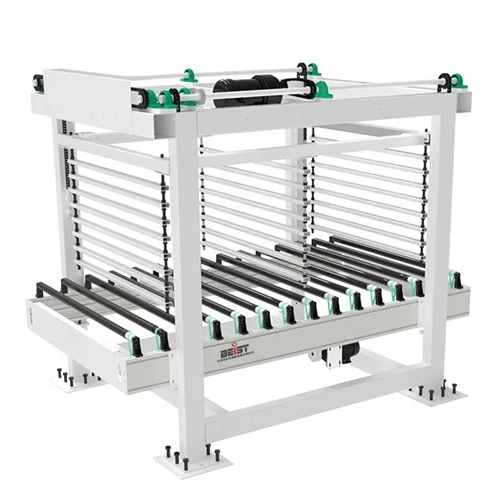
As a supplier of E Shape Lift Tables, I understand the importance of proper maintenance to ensure the smooth operation and longevity of these essential pieces of equipment. One crucial aspect of maintenance is lubricating the moving parts. In this blog post, I'll share my knowledge and experience on how to lubricate the moving parts of an E Shape Lift Table effectively.
Understanding the E Shape Lift Table
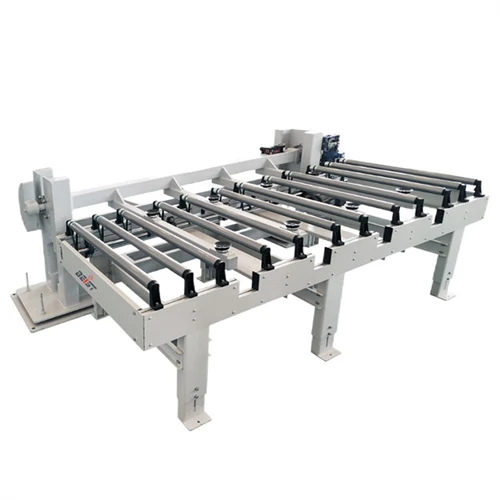
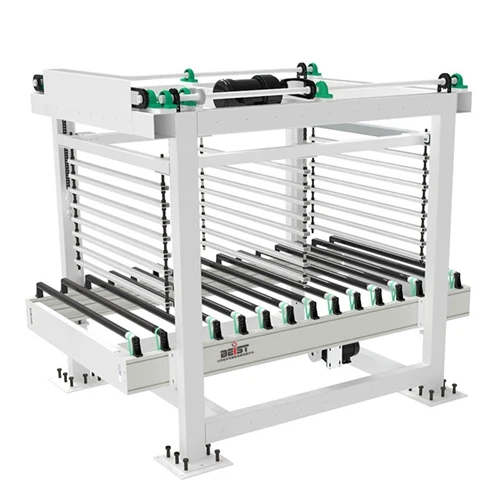
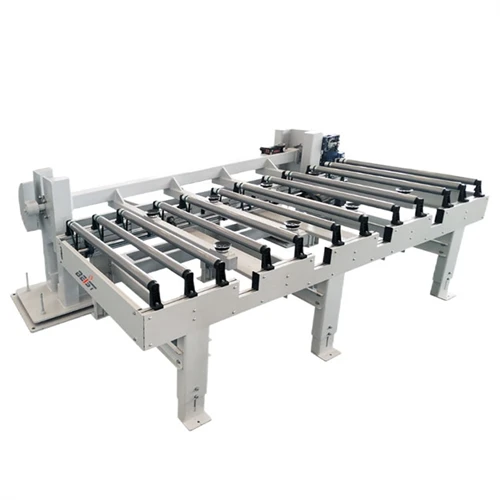
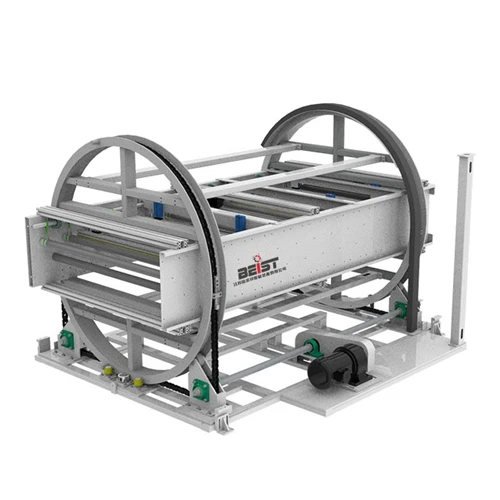
Before we dive into the lubrication process, let's briefly understand the E Shape Lift Table. This type of lift table is designed with an "E" shaped frame, which provides stability and support during lifting operations. It is commonly used in various industries such as manufacturing, logistics, and warehousing for tasks like loading and unloading goods, adjusting workbench heights, and facilitating material handling. The moving parts of an E Shape Lift Table typically include hydraulic cylinders, pivot points, rollers, and chains. These parts are constantly in motion during the operation of the lift table, and proper lubrication is essential to reduce friction, prevent wear and tear, and ensure optimal performance.
Importance of Lubrication
Lubrication plays a vital role in the performance and lifespan of an E Shape Lift Table. Here are some key reasons why lubrication is necessary:
- Reduces Friction: Friction between moving parts can cause excessive heat, wear, and energy loss. By applying lubricant, we can create a thin film between the surfaces, reducing friction and allowing the parts to move smoothly.
- Prevents Wear and Tear: Continuous friction can lead to the deterioration of the moving parts over time. Lubrication helps to minimize wear and tear, extending the lifespan of the components and reducing the need for frequent replacements.
- Enhances Efficiency: When the moving parts are well-lubricated, the lift table operates more efficiently, requiring less energy to perform its tasks. This can result in cost savings and improved productivity.
- Prevents Corrosion: Lubricants can also act as a protective barrier against moisture and corrosion, especially in environments where the lift table is exposed to humidity or chemicals.
Types of Lubricants
There are several types of lubricants available, each with its own properties and applications. When choosing a lubricant for an E Shape Lift Table, it's important to consider the specific requirements of the moving parts and the operating conditions. Here are some common types of lubricants used for lift tables:
- Mineral Oil-Based Lubricants: These are the most commonly used lubricants due to their affordability and wide range of applications. Mineral oil-based lubricants provide good lubrication and protection against wear and corrosion.
- Synthetic Lubricants: Synthetic lubricants offer superior performance compared to mineral oil-based lubricants. They have better temperature stability, oxidation resistance, and anti-wear properties, making them suitable for high-temperature and high-load applications.
- Greases: Greases are thick, semi-solid lubricants that are ideal for applications where the lubricant needs to stay in place and provide long-lasting lubrication. They are commonly used for pivot points and bearings.
- Dry Lubricants: Dry lubricants, such as graphite or molybdenum disulfide, are used in applications where a clean and dry environment is required. They provide excellent lubrication without leaving any residue or attracting dirt.
Lubrication Process
Now that we understand the importance of lubrication and the types of lubricants available, let's discuss the step-by-step process of lubricating the moving parts of an E Shape Lift Table.
- Prepare the Lift Table: Before starting the lubrication process, make sure the lift table is turned off and the power is disconnected. This will prevent any accidental movement of the lift table during the lubrication process.
- Identify the Moving Parts: Inspect the lift table to identify the moving parts that need to be lubricated. These may include hydraulic cylinders, pivot points, rollers, and chains. Refer to the manufacturer's manual for specific instructions on which parts require lubrication.
- Clean the Moving Parts: Use a clean cloth or brush to remove any dirt, debris, or old lubricant from the moving parts. This will ensure that the new lubricant can adhere properly to the surfaces and provide effective lubrication.
- Apply the Lubricant: Depending on the type of lubricant and the moving part, there are different methods of application. Here are some common methods:
- Oil Lubrication: For parts that require oil lubrication, such as hydraulic cylinders, use an oil can or a lubrication gun to apply the oil directly to the moving parts. Make sure to apply the oil evenly and in the recommended quantity.
- Grease Lubrication: For pivot points and bearings, use a grease gun to apply the grease. Insert the grease gun nozzle into the grease fitting and pump the grease until it starts to come out from the sides of the fitting. Wipe off any excess grease.
- Dry Lubricant Application: For parts that require dry lubrication, such as rollers, use a dry lubricant spray or powder. Spray or apply the dry lubricant evenly on the moving parts and let it dry before operating the lift table.
- Check for Proper Lubrication: After applying the lubricant, manually move the lift table through its full range of motion to ensure that the lubricant is evenly distributed and the moving parts are operating smoothly. Check for any signs of excessive friction or noise, which may indicate improper lubrication.
- Clean Up: Once the lubrication process is complete, clean up any spills or excess lubricant from the lift table. This will prevent dirt and debris from sticking to the lubricant and causing damage to the moving parts.
Maintenance Schedule
To ensure the continued performance and reliability of the E Shape Lift Table, it's important to establish a regular maintenance schedule for lubrication. The frequency of lubrication will depend on the usage and operating conditions of the lift table. Here are some general guidelines:
- Daily or Weekly: For lift tables that are used frequently, it's recommended to perform a visual inspection of the moving parts and apply a small amount of lubricant to the pivot points and rollers on a daily or weekly basis.
- Monthly or Quarterly: Every month or quarter, perform a more thorough lubrication of all the moving parts, including hydraulic cylinders, chains, and bearings. Follow the lubrication process described above.
- Annually: Once a year, have the lift table professionally serviced and inspected by a qualified technician. This will include a comprehensive lubrication of all the moving parts, as well as a detailed inspection of the hydraulic system, electrical components, and structural integrity of the lift table.
Additional Tips
Here are some additional tips to keep in mind when lubricating the moving parts of an E Shape Lift Table:
- Use the Right Lubricant: Always use the lubricant recommended by the manufacturer. Using the wrong type of lubricant can cause damage to the moving parts and void the warranty of the lift table.
- Follow the Manufacturer's Instructions: Refer to the manufacturer's manual for specific instructions on the lubrication process, including the type of lubricant, the quantity to be applied, and the frequency of lubrication.
- Store the Lubricant Properly: Store the lubricant in a cool, dry place away from direct sunlight and heat. This will prevent the lubricant from deteriorating and losing its effectiveness.
- Keep Records: Maintain a record of the lubrication schedule and the type of lubricant used. This will help you track the maintenance history of the lift table and ensure that the lubrication is performed regularly.
Conclusion
Proper lubrication is essential for the smooth operation and longevity of an E Shape Lift Table. By following the steps outlined in this blog post and establishing a regular maintenance schedule, you can ensure that the moving parts of your lift table are well-lubricated and operating at their best. Remember to use the right lubricant, follow the manufacturer's instructions, and keep records of the lubrication process. If you have any questions or need further assistance with lubricating your E Shape Lift Table, please don't hesitate to contact us. We are a leading supplier of E Shape Lift Tables and other material handling equipment, and we are committed to providing our customers with the highest quality products and services.
If you are in the market for a new lift table, we offer a wide range of options to meet your specific needs. Check out our Lifting Table with Forklift, Lifting Table with Roller Conveyor, and Powered Roller Conveyor Lift Table for more information.


We invite you to contact us to discuss your requirements and explore how our E Shape Lift Tables can enhance your material handling operations. Our team of experts is ready to assist you in finding the perfect solution for your business.
References
- Manufacturer's Manual for E Shape Lift Table
- Industry Standards for Lift Table Maintenance
- Lubricant Manufacturer's Guidelines