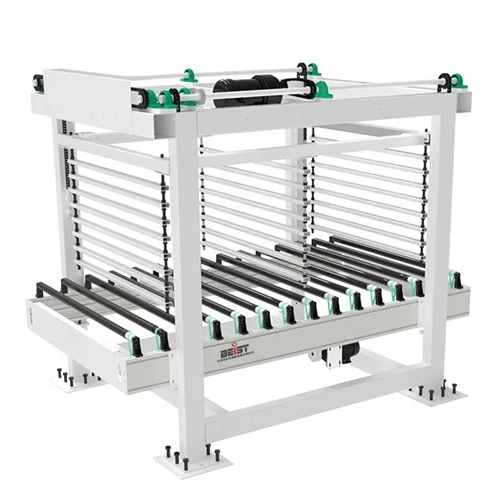
As a supplier of Powered Roller Conveyor - Gap, I often encounter questions from customers regarding the maintenance and operation of our products. One of the most frequently asked questions is whether the powered roller conveyor - gap needs lubrication. In this blog post, I will delve into this topic, exploring the reasons for lubrication, the potential drawbacks, and the best practices for maintaining these conveyors.
Understanding the Powered Roller Conveyor - Gap
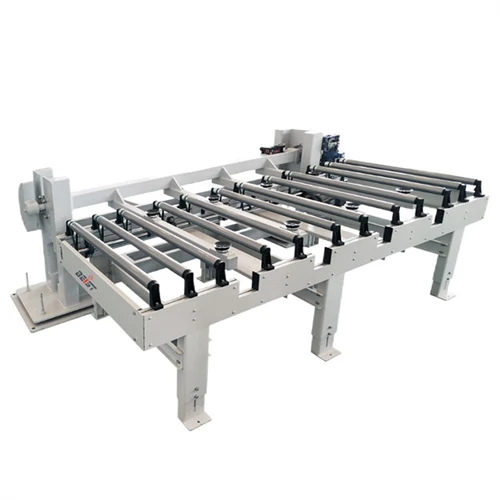
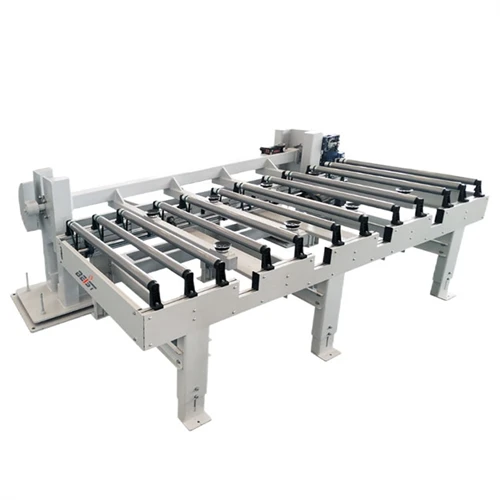
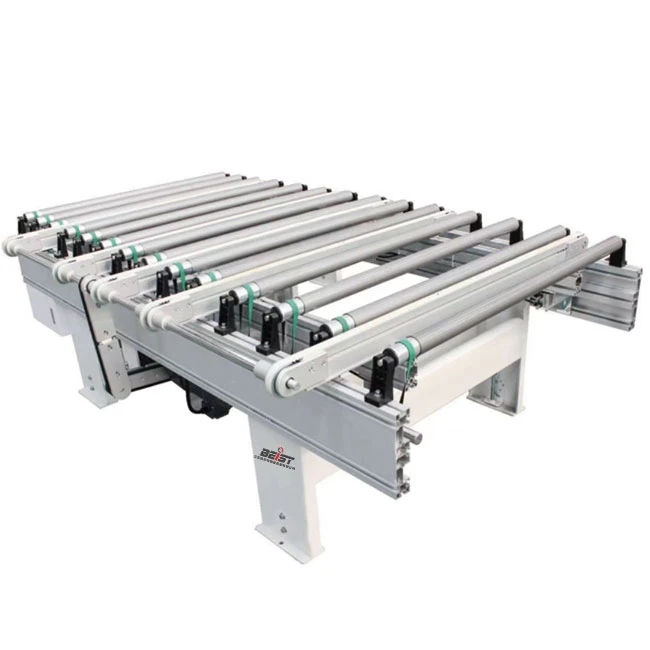
Before we discuss lubrication, it's essential to understand what a powered roller conveyor - gap is and how it functions. A powered roller conveyor - gap consists of a series of rollers that are powered by a motor. These rollers are separated by a small gap, which allows for the smooth movement of items along the conveyor. The conveyor is commonly used in various industries, including manufacturing, warehousing, and logistics, to transport goods efficiently.
The gap between the rollers serves several purposes. It allows for the passage of small items or debris, preventing them from getting stuck between the rollers. Additionally, the gap provides flexibility in the conveyor's design, allowing it to accommodate different types of products and conveyor configurations.
The Case for Lubrication
Lubrication plays a crucial role in the performance and longevity of a powered roller conveyor - gap. Here are some of the key reasons why lubrication is necessary:
Reducing Friction
Friction is one of the primary causes of wear and tear in a conveyor system. When the rollers rotate, they come into contact with the bearings and other components, generating friction. Over time, this friction can cause the components to wear out, leading to increased maintenance costs and downtime.
Lubrication helps to reduce friction by creating a thin film between the moving parts. This film acts as a barrier, preventing direct contact between the surfaces and reducing the amount of heat generated. As a result, the components experience less wear and tear, extending their lifespan.
Preventing Corrosion
Conveyor systems are often exposed to harsh environments, including dust, moisture, and chemicals. These elements can cause corrosion, which can damage the rollers, bearings, and other components. Lubrication helps to protect the components from corrosion by creating a protective barrier that prevents moisture and other contaminants from coming into contact with the metal surfaces.
Improving Efficiency
A well - lubricated conveyor system operates more efficiently. By reducing friction, the motor has to work less hard to drive the rollers, resulting in lower energy consumption. This not only saves on energy costs but also reduces the environmental impact of the conveyor system.
Noise Reduction
Friction between the moving parts of a conveyor system can also generate noise. Lubrication helps to dampen the noise by reducing the vibrations caused by friction. This creates a more comfortable working environment for employees and can also help to meet noise regulations in the workplace.
Potential Drawbacks of Lubrication
While lubrication offers many benefits, it also has some potential drawbacks that need to be considered:
Contamination
Lubricants can attract dust, dirt, and other contaminants, which can accumulate on the rollers and other components. This can lead to increased friction and wear, as well as potential damage to the products being transported on the conveyor. To prevent contamination, it's important to use the right type of lubricant and to implement a regular cleaning and maintenance schedule.
Cost
Lubrication requires the purchase of lubricants and the time and labor required to apply them. These costs can add up over time, especially for large conveyor systems. However, it's important to weigh these costs against the potential savings in maintenance and downtime.
Environmental Impact
Some lubricants can have a negative impact on the environment. For example, mineral - based lubricants can be difficult to dispose of and can contaminate soil and water. To minimize the environmental impact, it's important to choose environmentally friendly lubricants and to follow proper disposal procedures.
Best Practices for Lubricating a Powered Roller Conveyor - Gap
To ensure the proper lubrication of a powered roller conveyor - gap, the following best practices should be followed:
Choose the Right Lubricant
The type of lubricant used will depend on several factors, including the operating conditions, the type of bearings, and the materials of the components. For example, in high - temperature environments, a high - temperature lubricant may be required. It's important to consult the manufacturer's recommendations or a lubrication expert to choose the right lubricant for your conveyor system.
Follow a Regular Lubrication Schedule
Establishing a regular lubrication schedule is essential to ensure that the conveyor system is properly maintained. The frequency of lubrication will depend on the operating conditions and the type of lubricant used. In general, it's recommended to lubricate the conveyor system at least once a month or more frequently in high - usage or harsh environments.
Apply the Lubricant Correctly
Proper application of the lubricant is crucial to ensure its effectiveness. The lubricant should be applied evenly to the bearings and other moving parts. Over - lubrication can be just as harmful as under - lubrication, as it can lead to contamination and increased friction. It's important to follow the manufacturer's instructions for applying the lubricant.
Monitor the Lubrication
Regularly monitoring the lubrication of the conveyor system is important to detect any issues early. This can be done by checking the lubricant level, inspecting the components for signs of wear or contamination, and listening for any unusual noises. If any issues are detected, they should be addressed immediately to prevent further damage.

Other Related Conveyor Systems
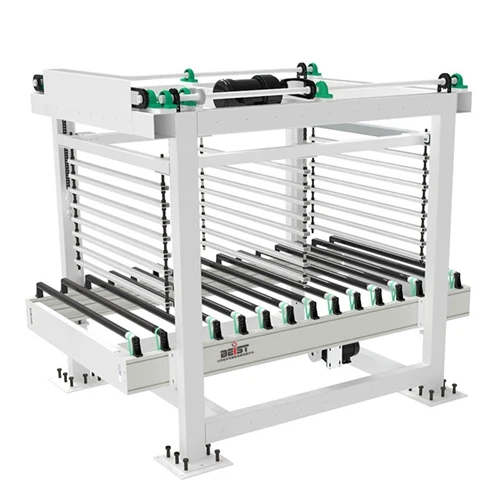
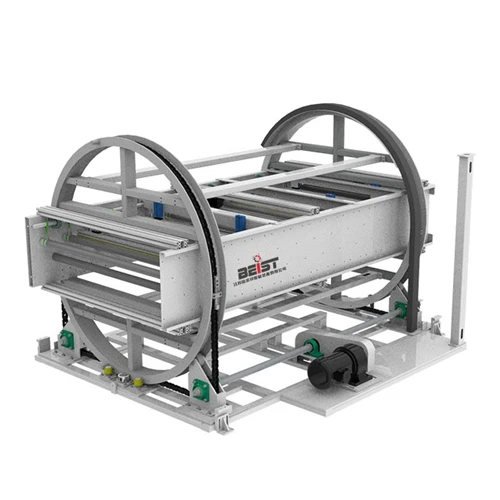
In addition to the powered roller conveyor - gap, there are other types of conveyor systems that may be suitable for your application. For example, the Cross Conveyor is designed to transfer items between different conveyor lines at a right angle. The Powered Roller Conveyor - Centre provides a central drive system for the rollers, offering increased power and efficiency. And the Turnover Conveyor is used to flip or rotate items during the conveying process.
Conclusion
In conclusion, lubrication is an essential part of maintaining a powered roller conveyor - gap. While it has some potential drawbacks, the benefits of lubrication, including reduced friction, prevention of corrosion, improved efficiency, and noise reduction, far outweigh the costs. By following the best practices for lubrication, you can ensure the optimal performance and longevity of your conveyor system.
If you are considering purchasing a powered roller conveyor - gap or have any questions about lubrication or maintenance, I encourage you to contact us for a consultation. Our team of experts is ready to help you find the right conveyor solution for your needs and to provide you with the support and advice you need to keep your conveyor system running smoothly.
References
- "Conveyor Systems Handbook" by Conveyor Manufacturers Association
- "Lubrication Fundamentals" by Machinery Lubrication Magazine
- Manufacturer's manuals for powered roller conveyor - gap systems