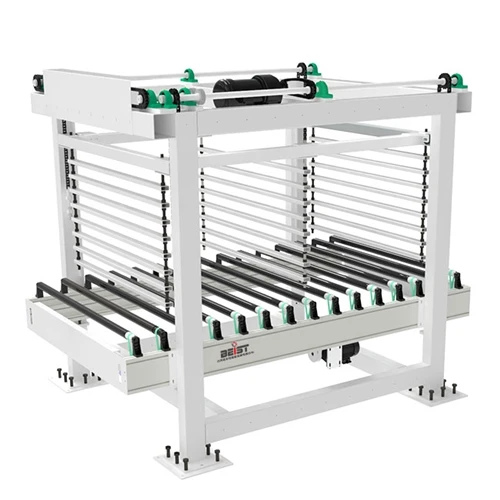
Can a roller conveyor cart be used in a chemical industry? Well, that's a question I've been asked quite a few times lately, especially since I'm a supplier of Roller Conveyor Carts. Roller Conveyor Cart, as you might know, are pretty flexible. They're used in all sorts of industries, but when it comes to the chemical industry, there are some special things to think about.
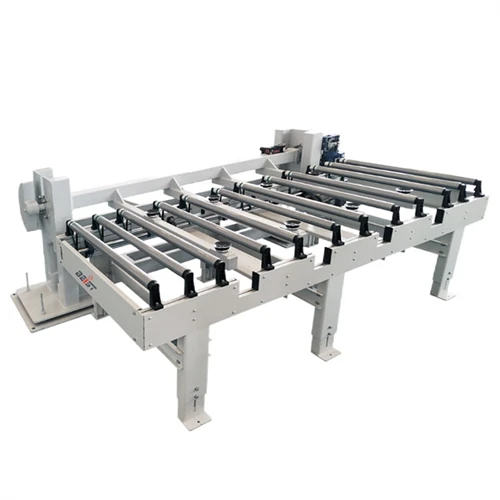
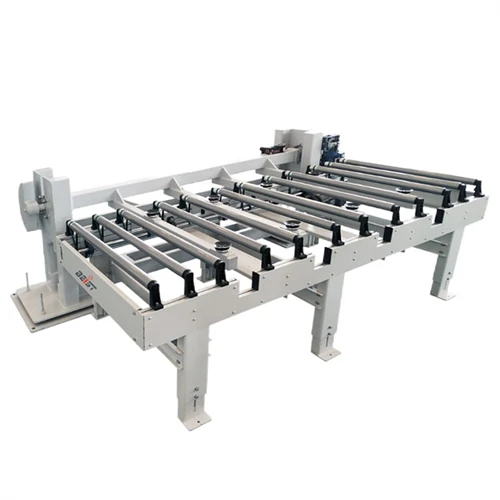
First off, let me give you a quick rundown of what roller conveyor carts are all about. These nifty devices are designed to move goods from one place to another with relatively little effort. They have rollers arranged in a way that the items placed on them can roll smoothly. You can push or pull items on these carts easily, which makes them super handy in industrial settings.
Now, let's dive into whether they can be used in the chemical industry.


Advantages of Using Roller Conveyor Carts in the Chemical Industry
One of the biggest advantages is the ease of transportation. Chemicals often come in barrels, containers, or drums, and these can be heavy and awkward to move around. A roller conveyor cart provides a stable platform to move these containers. You can simply load the chemical containers onto the cart and roll them wherever they need to go. This reduces the risk of manual handling injuries, which is a huge plus in an industry where safety is a top priority.
Another great thing is the adaptability. Roller Conveyor Cart can be customized to fit specific needs. For example, if you're dealing with different sizes of chemical containers, you can adjust the spacing of the rollers or the overall size of the cart. Also, they can be used in different areas of a chemical plant, from the storage area to the production line. You can use them indoors or outdoors, as long as the conditions are suitable.
Cost - effectiveness is yet another advantage. Compared to other types of material handling equipment, roller conveyor carts are relatively inexpensive. You don't need a lot of infrastructure or complex control systems. They're easy to install and maintain, which means you can save on both the initial investment and long - term costs.
Challenges and Considerations
However, the chemical industry also presents some unique challenges that we need to address when using roller conveyor carts.
Corrosion is a major concern. Chemicals can be highly reactive, and they can corrode the materials that the roller conveyor cart is made of. For instance, acidic chemicals can eat away at metals like iron and steel. To tackle this issue, we offer carts made from corrosion - resistant materials such as stainless steel or coated composites. These materials can withstand the corrosive effects of many chemicals, ensuring the longevity of the cart.
The nature of chemicals being transported also matters. Some chemicals are extremely volatile, flammable, or explosive. In such cases, extra safety measures need to be taken. The roller conveyor cart should be designed to minimize the risk of static electricity build - up, which could potentially ignite the chemicals. This might involve using special anti - static materials for the rollers or having proper grounding systems in place.
Another aspect is the regulatory requirements. The chemical industry is heavily regulated, and there are strict rules regarding the handling, storage, and transportation of chemicals. When using roller conveyor carts, you need to make sure that they comply with all relevant regulations. This includes things like ensuring proper labeling, having the right safety features, and using the cart in a way that doesn't pose a risk to the environment or people.
Complementary Equipment in the Chemical Industry
In a chemical plant, roller conveyor carts don't work in isolation. They can be used in conjunction with other types of equipment. For example, Conveyor Platform for Cold Press can be used to transfer chemicals from the cart to a cold - pressing machine. This setup allows for a seamless flow of materials during the production process.
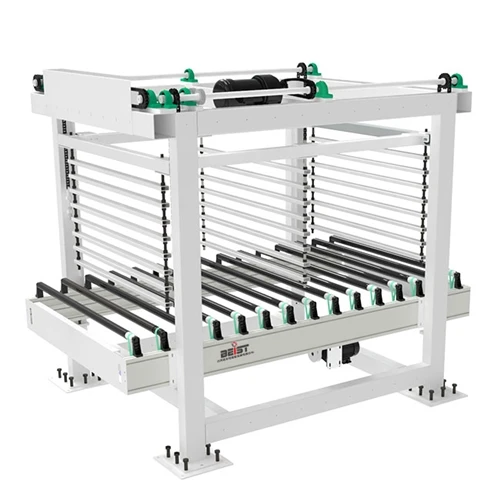
Conveyor Crossover Bridge can also be used to move the roller conveyor carts across different levels or areas in the plant. It provides a safe and efficient way to transfer the carts over obstacles or between different production zones.
Real - World Applications
I've seen a lot of real - world examples where roller conveyor carts have been successfully used in the chemical industry. In a chemical manufacturing facility, they're used to transport raw materials from the storage area to the production line. This not only speeds up the production process but also reduces the chances of spillage and contamination.
At a chemical waste management site, roller conveyor carts are used to move drums of hazardous waste. The carts' design allows for easy loading and unloading, and the use of corrosion - resistant materials ensures that the cart can withstand the harsh chemicals in the waste.
Conclusion
So, can a roller conveyor cart be used in the chemical industry? Absolutely! But it's not as simple as just putting a cart in a chemical plant. You need to take into account the specific challenges and requirements of the industry. By choosing the right materials, implementing proper safety measures, and ensuring regulatory compliance, roller conveyor carts can be a valuable asset in the chemical industry.
If you're in the chemical industry and are looking for a reliable solution for material handling, Roller Conveyor Cart might be the answer for you. I'd be more than happy to have a chat with you about your specific needs and see how we can customize a solution that fits your operations. Whether it's just a simple cart or a more complex setup with complementary equipment, we've got the expertise and resources to help you out. Get in touch, and let's talk about your next project!
References
- Sparrow, J. (2020). Industrial Material Handling: Best Practices. Industrial Press, Inc.
- Smith, R. (2021). Chemical Industry Safety Regulations Handbook. Chemical Safety Publications.