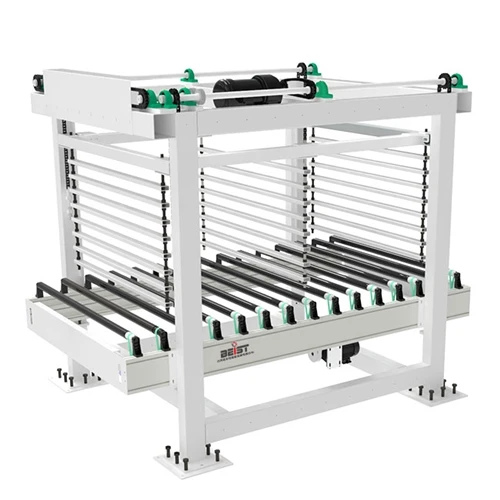
Can a pneumatic roller conveyor be used for chemical products? This is a question that often arises in industrial settings where the handling of chemical products is a daily operation. As a supplier of pneumatic roller conveyors, I am frequently asked about the suitability of our products for transporting chemical substances. In this blog post, I will delve into the technical aspects, advantages, and potential challenges of using pneumatic roller conveyors for chemical products.
Technical Overview of Pneumatic Roller Conveyors
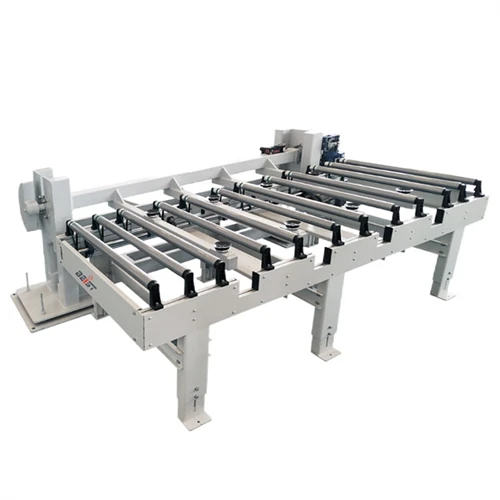
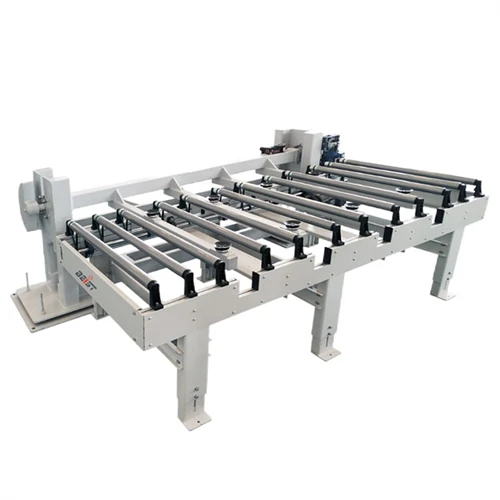
Pneumatic roller conveyors are a type of material handling equipment that uses compressed air to power the movement of rollers. The basic principle involves a series of rollers mounted on a frame, with air cylinders or air motors driving the rotation of the rollers. This allows for the smooth and efficient transportation of goods along the conveyor line.
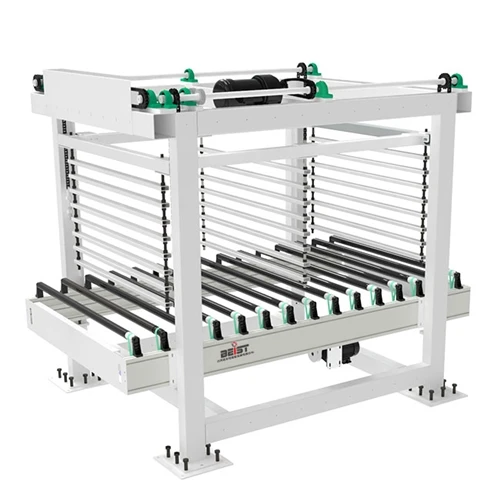
One of the key features of pneumatic roller conveyors is their flexibility. They can be easily customized to fit different production layouts and requirements. For example, they can be designed as straight conveyors, curved conveyors, or even combined with other types of conveyors such as Unpowered Roller Conveyor to create a comprehensive material handling system.
Suitability for Chemical Products
When considering the use of a pneumatic roller conveyor for chemical products, several factors need to be taken into account.
Chemical Compatibility
The first and most important factor is the chemical compatibility of the conveyor components with the chemical products being transported. Chemicals can be corrosive, abrasive, or reactive, which can damage the conveyor rollers, frames, and other parts. Therefore, it is crucial to select materials that are resistant to the specific chemicals involved.
For example, if the chemical product is highly corrosive, such as hydrochloric acid, the rollers and frames should be made of materials like stainless steel or plastic that are resistant to corrosion. Our company offers a range of conveyor options with different material choices to ensure compatibility with various chemical substances.
Safety
Safety is another critical aspect when handling chemical products. Pneumatic roller conveyors should be designed with safety features to prevent spills, leaks, and other accidents. For instance, the conveyor should have proper sealing to prevent the escape of chemicals, and emergency stops should be installed to quickly halt the operation in case of an emergency.
In addition, the conveyor system should comply with relevant safety standards and regulations, such as those set by OSHA (Occupational Safety and Health Administration) in the United States. Our pneumatic roller conveyors are designed and manufactured to meet these strict safety requirements, providing a reliable and safe solution for chemical product handling.
Contamination Prevention
Contamination of the chemical products is also a concern. The conveyor should be designed to prevent the introduction of foreign particles or substances into the chemicals. This can be achieved through the use of clean and smooth surfaces, as well as proper maintenance and cleaning procedures.
Our pneumatic roller conveyors are designed with smooth surfaces that are easy to clean, reducing the risk of contamination. We also provide guidance on maintenance and cleaning to ensure the long - term integrity of the chemical products being transported.
Advantages of Using Pneumatic Roller Conveyors for Chemical Products
Despite the challenges, there are several advantages to using pneumatic roller conveyors for chemical product handling.
Energy Efficiency
Pneumatic roller conveyors are relatively energy - efficient compared to other types of conveyors. They use compressed air as the power source, which can be more cost - effective in the long run, especially for continuous operation. This is particularly beneficial for chemical plants where energy consumption is a significant cost factor.
Gentle Handling
Chemical products are often sensitive and require gentle handling to prevent damage or degradation. Pneumatic roller conveyors provide a smooth and gentle transportation process, reducing the risk of product breakage or spillage. The controlled movement of the rollers ensures that the chemicals are transported safely from one point to another.
Easy Installation and Modification
Pneumatic roller conveyors are relatively easy to install and modify. They can be quickly set up in a chemical plant without significant disruption to the existing production process. Moreover, if the production requirements change, the conveyor can be easily modified or expanded to accommodate the new needs.
Potential Challenges and Solutions
While pneumatic roller conveyors offer many advantages, there are also some potential challenges that need to be addressed.
Air Quality
The use of compressed air in pneumatic roller conveyors can introduce moisture and contaminants into the system. In a chemical environment, this can be a problem as it may contaminate the chemical products. To solve this issue, air filtration systems can be installed to remove moisture and impurities from the compressed air.
Noise Pollution
Pneumatic systems can generate noise during operation. In a chemical plant, where workers are often exposed to various hazards, excessive noise can be a health risk. To reduce noise pollution, noise - reducing components such as mufflers can be installed on the air cylinders and motors.


Case Studies
To illustrate the practical application of pneumatic roller conveyors for chemical products, let's look at a few case studies.
In a chemical manufacturing plant, a pneumatic roller conveyor was used to transport drums of liquid chemicals from the storage area to the production line. The conveyor was designed with stainless steel rollers and frames to resist corrosion from the chemicals. By using a pneumatic system, the plant was able to achieve energy savings and gentle handling of the drums, reducing the risk of spills and product damage.
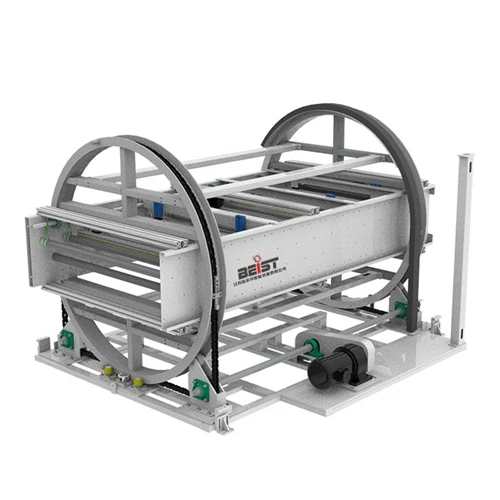
Another case involved a chemical packaging facility. A pneumatic roller conveyor was integrated with a Transfer Cart with Turntable to create a flexible material handling system. The conveyor transported the chemical products to the transfer cart, which then moved the products to different packaging stations. This combination provided a highly efficient and customizable solution for the packaging process.
Conclusion
In conclusion, a pneumatic roller conveyor can be a suitable option for transporting chemical products, provided that the proper precautions are taken. By considering factors such as chemical compatibility, safety, and contamination prevention, and addressing potential challenges, a pneumatic roller conveyor can offer an energy - efficient, gentle, and flexible solution for chemical product handling.
If you are in the chemical industry and are looking for a reliable material handling solution, I encourage you to contact us for more information. Our team of experts can help you design and customize a pneumatic roller conveyor system that meets your specific requirements. We are committed to providing high - quality products and excellent customer service to ensure your satisfaction.
References
- "Material Handling Equipment Handbook" by John A. White
- OSHA regulations on industrial conveyor safety
- Industry reports on chemical product handling and transportation