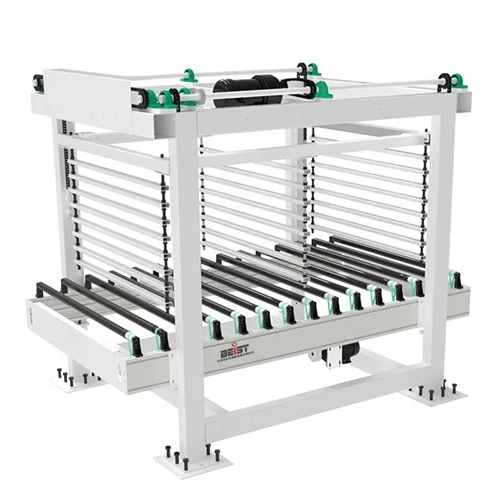
In the world of industrial logistics and warehousing, the efficient movement of goods is of utmost importance. One piece of equipment that often comes under consideration for the vertical transportation of goods is the hydraulic lift table. As a leading supplier of hydraulic lift tables, I'm frequently asked, "Can a hydraulic lift table be used for vertical transportation of goods?" In this blog post, I'll delve into the capabilities, limitations, and practical applications of hydraulic lift tables in vertical goods transportation.
Understanding the Basics of Hydraulic Lift Tables
Hydraulic lift tables are mechanical devices that use hydraulic cylinders to lift and lower platforms. They are powered by a hydraulic system, typically consisting of a pump, reservoir, valves, and a hydraulic cylinder. When the pump is activated, it forces hydraulic fluid into the cylinder, causing the piston to extend and lift the platform. To lower the platform, the valve is opened, allowing the hydraulic fluid to return to the reservoir under the weight of the platform and its load.
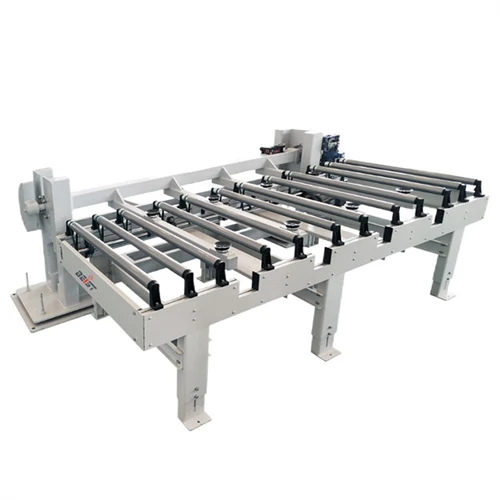
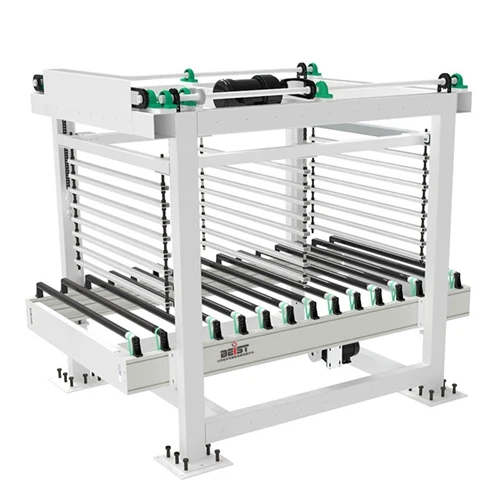
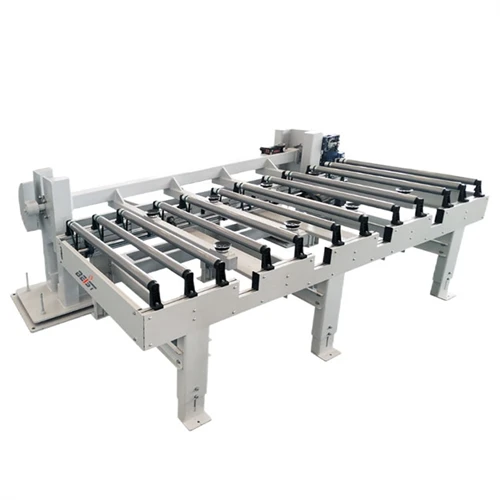
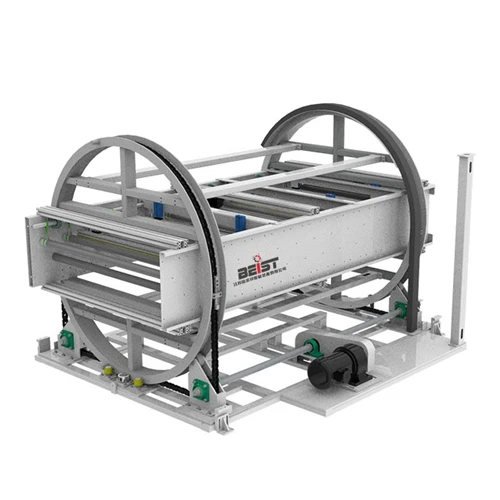
These lift tables come in various sizes, load capacities, and configurations to suit different industrial needs. Some common types include Conveyor Lifting Table with Forklift, Heavy Duty Hydraulic Lift Table For Woodworking, Powered Roller Conveyor Lift Table, E Shape Lift Table, and Conveyor Top Hydraulic Lift Table.
Capabilities for Vertical Transportation
One of the primary functions of a hydraulic lift table is to provide vertical movement of goods. They are well-suited for a wide range of applications where goods need to be raised or lowered to different heights. Here are some key capabilities that make them suitable for vertical transportation:
Load Capacity
Hydraulic lift tables are available in a wide range of load capacities, from a few hundred kilograms to several tons. This means that they can handle everything from small, lightweight packages to large, heavy machinery parts. For example, in a woodworking shop, a Heavy Duty Hydraulic Lift Table For Woodworking can be used to lift heavy wooden planks or finished furniture pieces to different workstations.
Precision Control
The hydraulic system allows for precise control of the lifting and lowering process. Operators can stop the lift table at any desired height, which is crucial for applications where goods need to be accurately positioned. This precision is especially useful in assembly lines, where components need to be lifted to the exact height for installation.
Safety Features
Most modern hydraulic lift tables are equipped with a variety of safety features to ensure the safe vertical transportation of goods. These may include overload protection, safety rails, and emergency stop buttons. Overload protection prevents the lift table from being overloaded, which can damage the equipment and pose a safety risk. Safety rails provide a physical barrier to prevent goods from falling off the platform, while emergency stop buttons allow operators to quickly halt the operation in case of an emergency.
Limitations and Considerations
While hydraulic lift tables are versatile and effective for vertical transportation, they do have some limitations and considerations that need to be taken into account.
Vertical Height
The maximum vertical height that a hydraulic lift table can reach is limited. Most standard lift tables have a maximum lifting height of a few meters. If you need to transport goods to very high levels, such as multiple stories in a warehouse, a hydraulic lift table may not be the most suitable option. In such cases, you may need to consider using an elevator or a scissor lift.
Speed
The speed of a hydraulic lift table is generally slower compared to other vertical transportation methods, such as elevators. This is due to the nature of the hydraulic system, which requires time to pump the hydraulic fluid into and out of the cylinder. If you need to transport goods quickly between different levels, a hydraulic lift table may not be the best choice.
Space Requirements
Hydraulic lift tables require a certain amount of floor space to operate. The platform needs to be large enough to accommodate the goods being transported, and there also needs to be enough clearance around the lift table for operators to access and load the goods safely. In a crowded warehouse or factory, finding enough space for a hydraulic lift table can be a challenge.


Practical Applications of Hydraulic Lift Tables in Vertical Transportation
Despite their limitations, hydraulic lift tables are widely used in various industries for vertical transportation of goods. Here are some common applications:
Warehousing and Distribution
In warehouses and distribution centers, hydraulic lift tables are used to load and unload goods from trucks, move goods between different levels of storage racks, and transfer goods to conveyor systems. For example, a Conveyor Top Hydraulic Lift Table can be used to lift goods from the ground level to a conveyor belt, which then transports the goods to the appropriate storage area.
Manufacturing
In manufacturing plants, hydraulic lift tables are used to position workpieces at the correct height for machining, assembly, and inspection operations. They can also be used to transfer finished products from the production line to the packaging area. For instance, an E Shape Lift Table can be used to lift heavy components to the height of a machining center for precision milling or drilling.
Retail and E-commerce
In retail stores and e-commerce fulfillment centers, hydraulic lift tables are used to handle the movement of goods in the backroom. They can be used to lift pallets of merchandise to different levels of storage shelves, making it easier for employees to pick and pack orders. A Powered Roller Conveyor Lift Table can be particularly useful in this application, as it allows for the smooth transfer of goods between different conveyor belts.
Conclusion
In conclusion, hydraulic lift tables can indeed be used for vertical transportation of goods in many industrial applications. They offer a cost-effective and reliable solution for lifting and lowering goods to different heights, with the added benefits of load capacity, precision control, and safety features. However, it's important to consider their limitations, such as maximum vertical height, speed, and space requirements, when deciding if a hydraulic lift table is the right choice for your specific needs.
As a supplier of hydraulic lift tables, we offer a wide range of products to meet the diverse needs of our customers. Whether you need a small, lightweight lift table for a workshop or a heavy-duty lift table for a large industrial facility, we have the expertise and experience to provide you with the right solution. If you're interested in learning more about our hydraulic lift tables or need help selecting the right one for your application, please don't hesitate to contact us. We look forward to discussing your requirements and working with you to find the perfect hydraulic lift table for your vertical goods transportation needs.