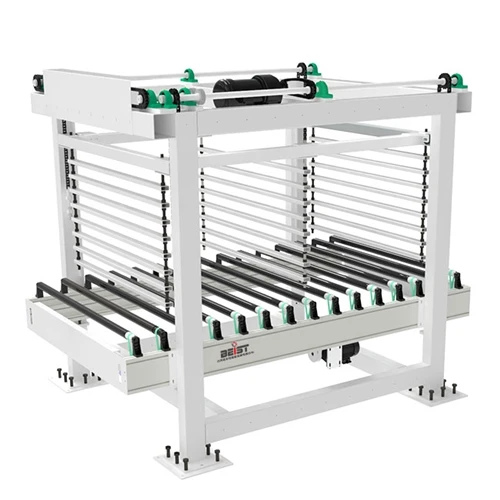
Hey there! As a supplier of cross conveyors, I often get asked if these nifty pieces of equipment can be used in a food processing plant. Well, let's dive right into it and find out!


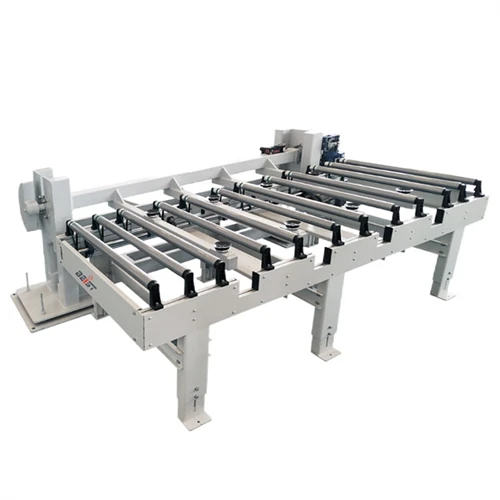
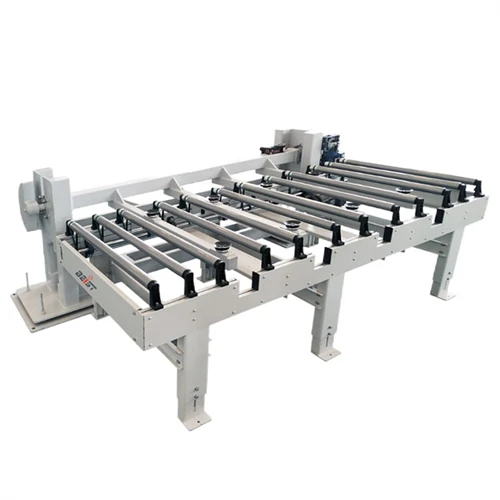
First off, what exactly is a cross conveyor? It's a type of conveyor system that can move materials in multiple directions, usually at right angles to each other. This makes it super versatile and useful for a variety of applications. And when it comes to food processing plants, versatility is key.
One of the main advantages of using a cross conveyor in a food processing plant is its ability to handle different types of food products. Whether you're dealing with small items like nuts and seeds or larger items like fruits and vegetables, a cross conveyor can get the job done. It can also handle different shapes and sizes of products, which is important in a food processing environment where you might have a wide range of items to move around.
Another benefit is the efficiency that a cross conveyor brings to the table. In a food processing plant, time is money, and any way to speed up the production process is a big plus. Cross conveyors can move products quickly and smoothly, reducing the time it takes to get them from one part of the plant to another. This can lead to increased productivity and ultimately, higher profits.
Now, let's talk about hygiene. In a food processing plant, cleanliness is of the utmost importance. Cross conveyors can be designed and built with hygiene in mind. For example, they can be made from materials that are easy to clean and sanitize, like stainless steel. Some cross conveyors also have features like removable belts or easy access to internal components, which makes it easier to keep them clean and free from bacteria and other contaminants.
But it's not all sunshine and rainbows. There are a few things to consider when using a cross conveyor in a food processing plant. One of the main concerns is the potential for product damage. Since cross conveyors involve moving products at different angles and speeds, there is a risk that the products could get jostled around and damaged. To minimize this risk, it's important to choose a cross conveyor that is designed to handle the specific type of food product you're working with. You might also need to adjust the speed and settings of the conveyor to ensure that the products are being moved safely.
Another consideration is the maintenance requirements of the cross conveyor. Like any piece of machinery, cross conveyors need to be regularly maintained to keep them running smoothly. This includes things like lubricating moving parts, checking for wear and tear, and replacing any damaged components. In a food processing plant, it's especially important to keep the conveyor clean and free from debris, as this can affect the quality of the food products.
So, can a cross conveyor be used in a food processing plant? The answer is a resounding yes! With the right design, features, and maintenance, cross conveyors can be a great addition to any food processing plant. They offer versatility, efficiency, and the potential for improved hygiene, all of which are important factors in the food industry.
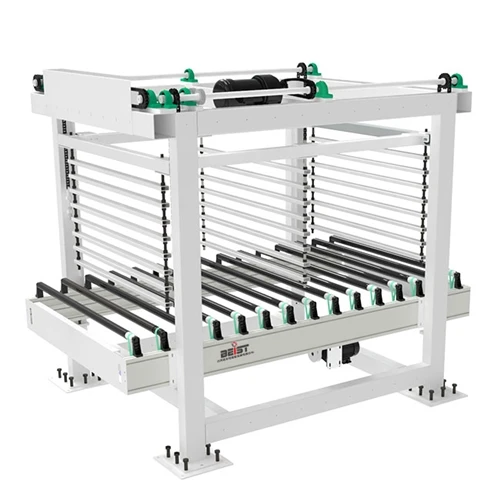
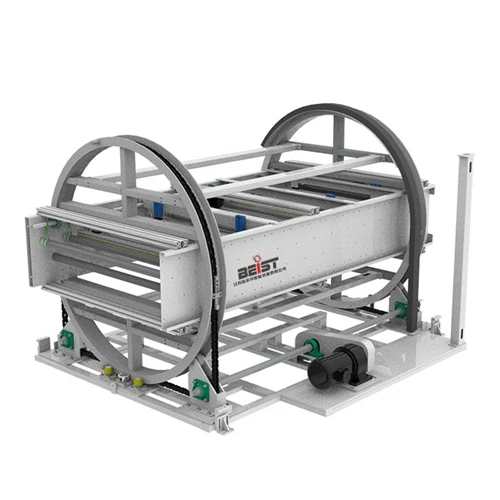
If you're interested in learning more about our cross conveyors, we have some great options available. Check out our Cross Conveyor with Rotation Function, which offers even more flexibility in moving your food products. We also have a Carbon Steel Belt Conveyor that is durable and easy to clean, perfect for food processing environments. And if you need a solution for storing panels in your plant, take a look at our Panel Storage Machine.
If you think a cross conveyor could be a good fit for your food processing plant, don't hesitate to get in touch. We'd love to have a chat with you about your specific needs and how we can help you find the right conveyor solution. Whether you're just starting out or looking to upgrade your existing equipment, we're here to support you every step of the way.
References
- General knowledge about conveyor systems in food processing industries.
- Industry standards and best practices for food processing equipment.