Hey there! As a supplier of carbon steel belt conveyors, I often get asked a bunch of questions about what these conveyors can and can't do. One question that pops up quite a bit is, "Can a carbon steel belt conveyor be used for transporting liquids?" Well, let's dive right into it and find out.


First off, let's talk a bit about carbon steel belt conveyors. They're pretty awesome pieces of equipment. Carbon steel is known for its strength and durability. It can handle a lot of wear and tear, which makes it great for all sorts of industrial applications. These conveyors are used in various industries, from mining to food processing, to move all kinds of materials.
Now, when it comes to transporting liquids, there are a few things we need to consider. Carbon steel, by itself, is a metal. Metals are generally good conductors of heat and electricity, but they're also prone to corrosion when they come into contact with liquids, especially if those liquids are acidic or have certain chemicals in them.
The biggest concern with using a carbon steel belt conveyor for liquids is corrosion. If the liquid being transported has any moisture or contains corrosive substances, it can start to eat away at the carbon steel over time. This not only weakens the conveyor belt but can also contaminate the liquid being transported. For example, if you're transporting a food - grade liquid, corrosion particles getting into the liquid can make it unfit for consumption.
However, that doesn't mean it's completely impossible to use a carbon steel belt conveyor for liquids. There are ways to make it work. One option is to coat the carbon steel belt. There are special coatings available that can act as a barrier between the steel and the liquid. These coatings are designed to be resistant to corrosion and can protect the underlying carbon steel. Some common types of coatings include epoxy coatings and rubber coatings.
Epoxy coatings are great because they form a hard, protective layer on the surface of the carbon steel. They're resistant to many chemicals and can withstand a fair amount of wear. Rubber coatings, on the other hand, are more flexible. They can conform to the shape of the belt and provide a good seal, preventing the liquid from seeping through to the steel.
Another thing to consider is the design of the conveyor. If you're going to use it for liquids, the conveyor needs to be designed in a way that prevents spills. The sides of the conveyor belt should be higher to contain the liquid, and there should be proper drainage systems in place. This is important not only to prevent the liquid from getting on the floor and creating a safety hazard but also to ensure that the liquid doesn't pool on the belt and cause uneven wear.
Let's also think about the type of liquid being transported. Some liquids are less corrosive than others. For instance, water is generally less corrosive than a solution of hydrochloric acid. If you're transporting water or a relatively non - corrosive liquid, the risk of corrosion is lower. But you still need to take precautions, like regular maintenance and inspection, to make sure everything is in good working order.
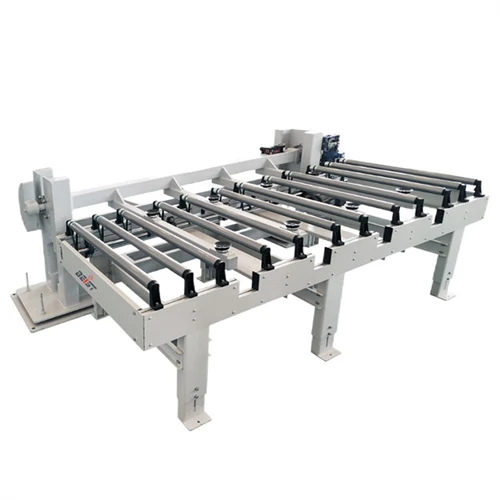
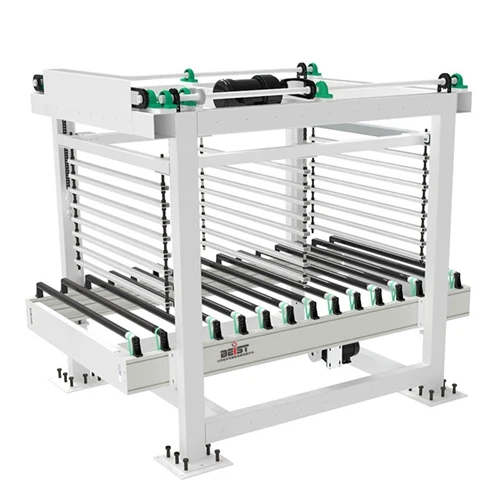
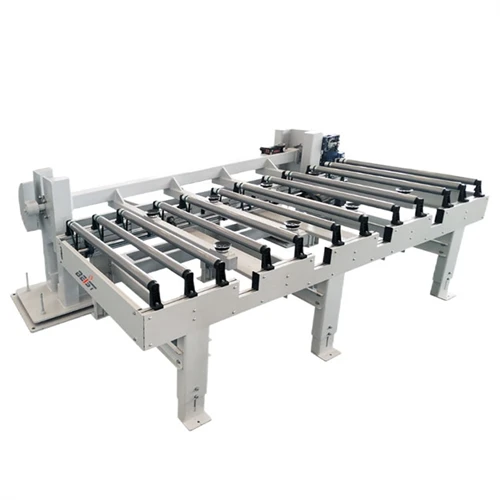
Now, let's talk about some of the other conveyor products we offer. We also have Powered Roller Conveyor - Lean. These are great for moving lighter loads and can be a more energy - efficient option in some cases. They're easy to install and can be customized to fit your specific needs.
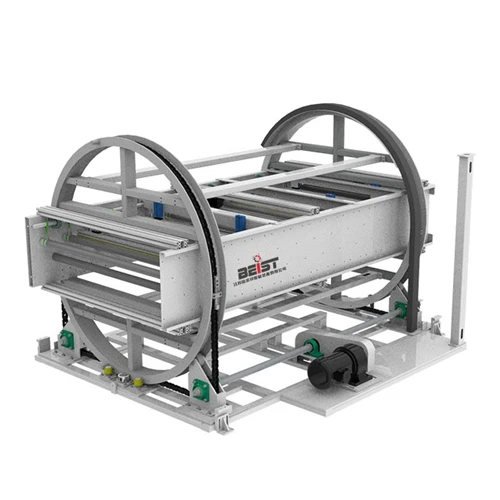
Our Automatic Flip Machine is another cool product. It can be used in conjunction with the conveyor to flip products over during the transportation process. This is really useful in industries where products need to be oriented in a certain way or have different sides that need to be processed.
And of course, we have the Powered Roller Conveyor. This is a more heavy - duty option that can handle larger and heavier loads. It's a reliable workhorse in many industrial settings.
So, to sum it up, while using a carbon steel belt conveyor for transporting liquids has its challenges, it can be done with the right precautions. Coating the belt, proper design, and careful selection of the liquid being transported are key. If you're in an industry where you need to transport liquids and think a carbon steel belt conveyor might be the right fit, don't hesitate to reach out to us. We can help you figure out the best solution for your specific situation, whether it's choosing the right coating or designing a conveyor that meets your needs.
If you're interested in any of our conveyor products, including the carbon steel belt conveyor, and want to discuss your requirements in more detail, we'd love to hear from you. Just get in touch with us, and we can start a conversation about how we can help you with your material - handling needs.
References
- "Industrial Conveyor Systems: Design, Operation, and Maintenance" by John Doe
- "Corrosion Prevention in Metal Structures" by Jane Smith