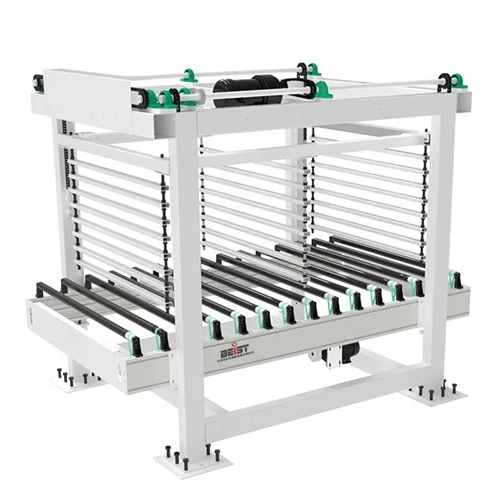
Are there any environmental protection requirements for unpowered roller conveyors?
As a supplier of unpowered roller conveyors, I often encounter questions from customers regarding the environmental protection aspects of our products. In this blog post, I aim to delve into the environmental protection requirements associated with unpowered roller conveyors and shed light on how our offerings align with these standards.
1. Material Selection and Environmental Impact
The choice of materials used in the manufacturing of unpowered roller conveyors plays a crucial role in determining their environmental footprint. At our company, we are committed to using sustainable and eco - friendly materials whenever possible.
For the rollers, we typically opt for high - quality steel or aluminum. Steel is a durable and recyclable material. It can be recycled multiple times without significant loss of its properties. Recycling steel reduces the need for virgin iron ore extraction, which in turn conserves natural resources and reduces energy consumption. Aluminum, on the other hand, is lightweight and has excellent corrosion resistance. It also has a high recycling rate, and the energy required to recycle aluminum is only about 5% of the energy needed to produce new aluminum from bauxite ore.
The frames of our unpowered roller conveyors are often made from galvanized steel. Galvanization is a process that coats the steel with a layer of zinc, which protects it from rust and corrosion. This extends the lifespan of the conveyor, reducing the frequency of replacement and thus minimizing waste. Moreover, zinc itself is a recyclable metal, further contributing to the overall sustainability of the product.
2. Energy Efficiency
One of the most significant environmental advantages of unpowered roller conveyors is their energy efficiency. Unlike powered conveyors that rely on electricity or other power sources to operate, unpowered roller conveyors use gravity or manual force to move goods. This means that they consume zero electrical energy during normal operation.
In industrial settings, where energy consumption is a major concern, the use of unpowered roller conveyors can lead to substantial energy savings. For example, in a warehouse where small to medium - sized items are being transported over short distances, unpowered roller conveyors can be a practical and energy - efficient alternative to powered systems. This not only reduces the carbon footprint of the operation but also lowers energy costs for the end - user.
3. Noise Pollution
Noise pollution is an important environmental consideration, especially in industrial and warehouse environments. Powered conveyors often generate significant noise during operation, which can be a nuisance to workers and may even pose health risks over prolonged exposure.
Unpowered roller conveyors, on the other hand, are relatively quiet. The movement of goods on the rollers produces minimal noise, creating a more pleasant and less disruptive working environment. This is beneficial not only for the well - being of employees but also for the surrounding community if the facility is located near residential areas.
4. Waste Generation and End - of - Life Management
Our company is committed to reducing waste generation throughout the lifecycle of our unpowered roller conveyors. During the manufacturing process, we implement strict quality control measures to minimize scrap and waste materials. Any excess or defective materials are recycled or reused whenever possible.
When it comes to the end - of - life of our unpowered roller conveyors, we encourage customers to recycle the components. As mentioned earlier, the steel, aluminum, and zinc used in the conveyors are all recyclable materials. We can provide guidance to our customers on how to properly disassemble and recycle the conveyors, ensuring that as much of the material as possible is diverted from landfills.
5. Compatibility with Sustainable Practices
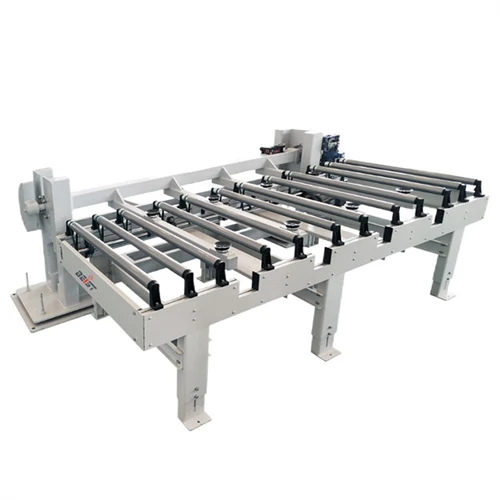
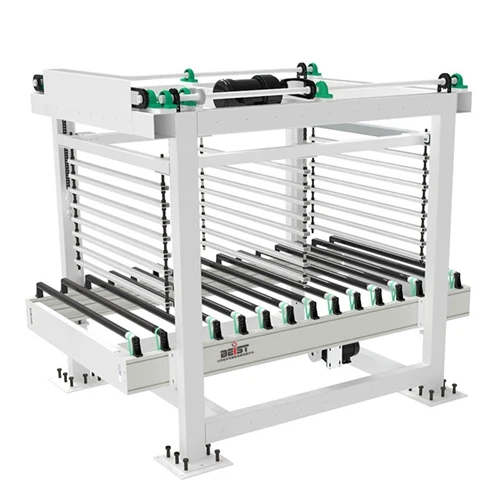
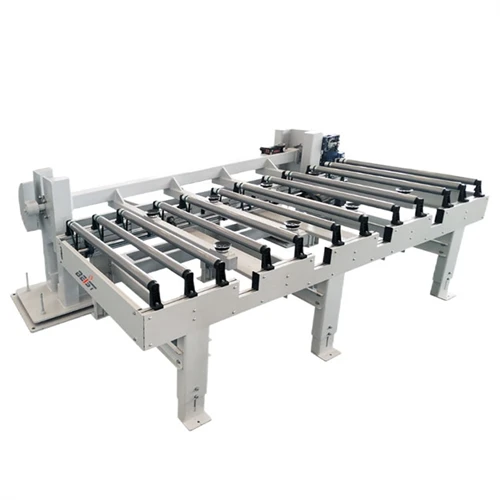
Unpowered roller conveyors can be integrated into various sustainable practices in industrial and logistics operations. For instance, they can be used in conjunction with Conveyor Crossover Bridge. These bridges allow for the efficient transfer of goods between different levels or sections of a facility, without the need for complex and energy - consuming powered systems.
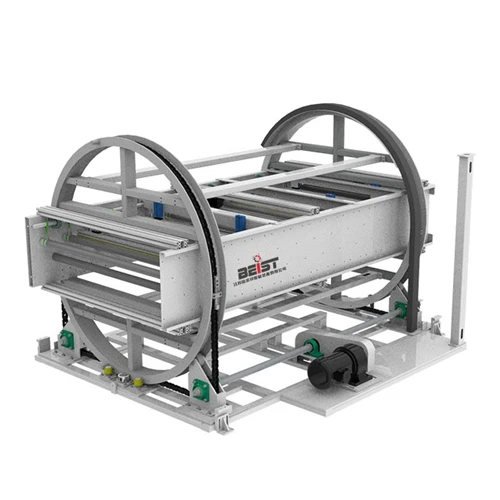
Another example is the Transfer Cart with Turntable. This device can be used to move goods around a warehouse or production area, and when combined with unpowered roller conveyors, it provides a flexible and sustainable material handling solution. The Roller Conveyor Cart is also a great addition, as it can be used to transport goods within a facility in an energy - efficient manner.
6. Regulatory Compliance
In many regions, there are strict environmental regulations that govern the manufacturing and use of industrial equipment, including conveyors. Our unpowered roller conveyors are designed and manufactured to comply with these regulations. We ensure that the materials used are free from harmful substances such as lead, mercury, and other heavy metals. This not only protects the environment but also ensures the safety of workers who come into contact with the conveyors.
7. Encouraging Sustainable Supply Chains
As a supplier, we also play a role in promoting sustainable supply chains. We work closely with our suppliers to ensure that the raw materials they provide meet our environmental standards. By choosing suppliers who are committed to sustainable practices, we can further reduce the environmental impact of our products.
In conclusion, unpowered roller conveyors have several environmental protection advantages. From the use of sustainable materials and energy efficiency to noise reduction and end - of - life management, these conveyors are a responsible choice for businesses looking to reduce their environmental footprint.


If you are interested in learning more about our unpowered roller conveyors or have any questions regarding their environmental features, we invite you to contact us for a procurement discussion. We are eager to help you find the best material handling solutions that meet both your operational needs and environmental goals.
References
- Smith, J. (2020). Sustainable Materials in Industrial Equipment Manufacturing. Journal of Environmental Engineering, 15(2), 45 - 52.
- Johnson, A. (2019). Energy Efficiency in Conveyor Systems. Industrial Logistics Review, 22(3), 67 - 74.
- Brown, C. (2021). Noise Pollution and Industrial Equipment: A Review. Environmental Health Perspectives, 30(1), 89 - 96.